
Windows
The search is over

The Great Window Debate has finally been concluded. Regular readers may have noted my occasional *sigh* over the high cost of thermally-efficient windows. In order to bring the project within budget, we had tentatively accepted the builder’s specification of windows which were not “thermally broken” [for more on this concept, see this site.
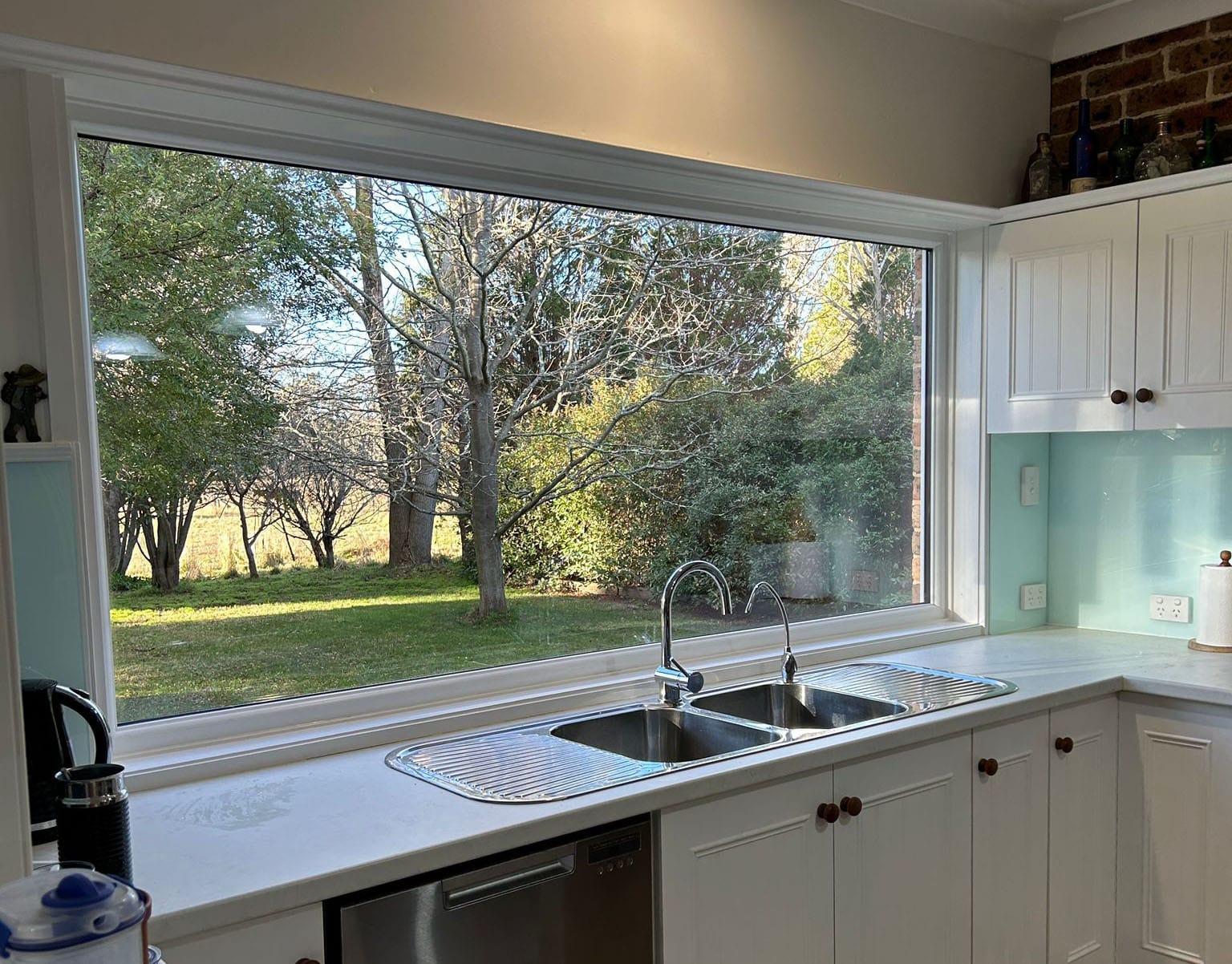
This is a fixed uPVC window (see below) over a kitchen sink. On my wish list.
The BASIX angle
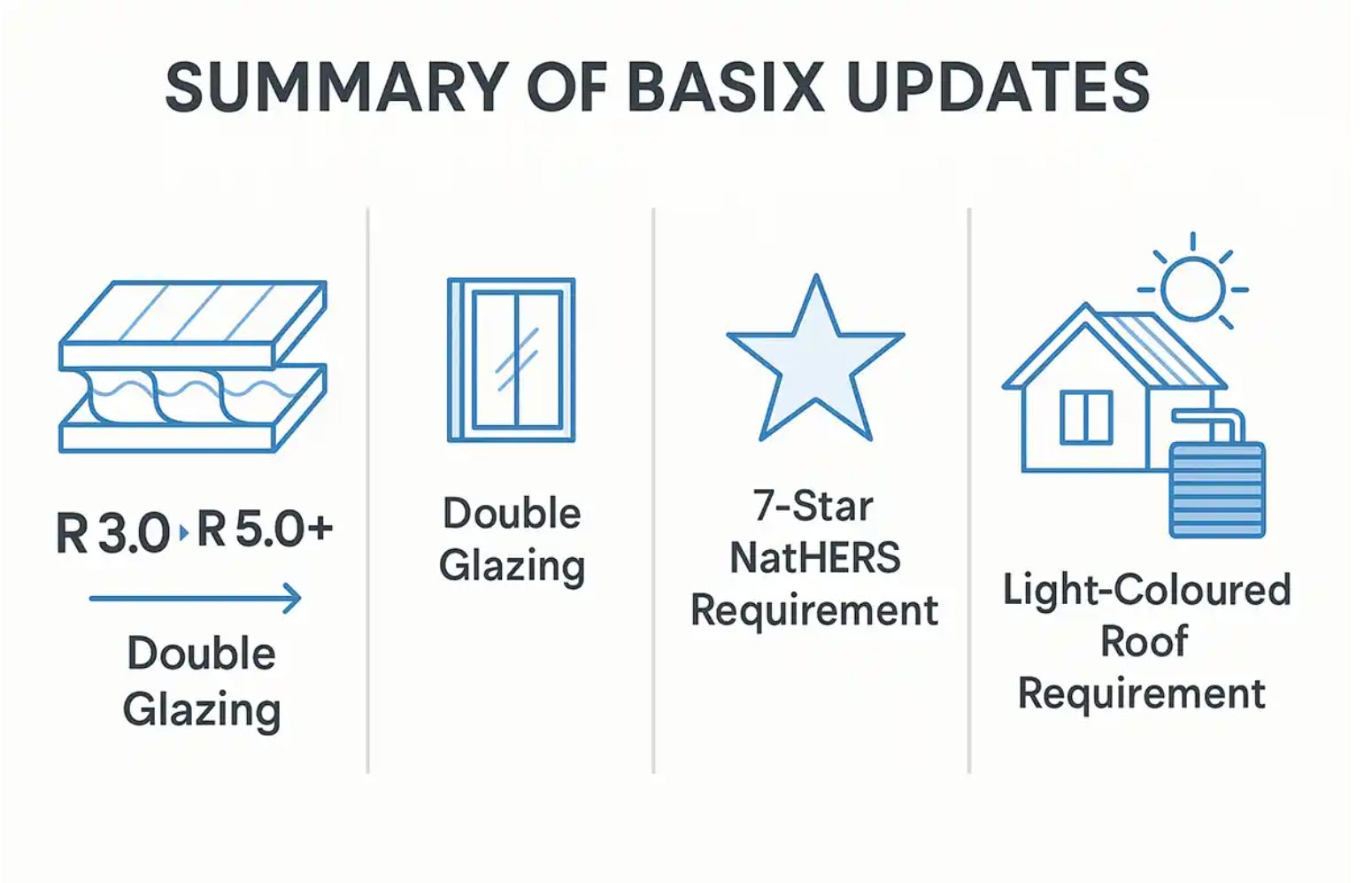
But these days it’s not easy to build a house which meets the stiff [#acronym alert] BASIX criteria for a seven-star energy rated building—especially if you want (as I do) large expanses of windows and multiple skylights.
*BASIX = Building Sustainability Index. A mandatory planning measure in New South Wales introduced in 2004 to regulate the energy efficiency, water consumption, and thermal performance of new residential dwellings.
What to do?
Recently the BASIX consultant was asked to revisit this vital accreditation, and returned with the news that the standard windows specified would not cut the mustard. To get technical, it was all about [#acronym alert ] “U & SHGC values”. I feel sure you want to know what these acronyms mean. This website explains:
U-Value
The U-value measures how well a product prevents heat conducting through the whole window (frame and glass). It does not factor in solar heat from direct sunlight. A lower U-value is considered better… Generally, U- values in Australia fall between 2.0-10.0 W/m2.K. U-values are affected by the type of glass used.
SHGC [Solar Heat Gain Coefficient]
SHGC is a measure of how freely solar heat passes through a window or door. The lower the number the less solar heat it transmits. Windows that have a high SHGC, allow a greater amount of solar radiation to be transmitted, absorbed and eventually released inside the house. This essentially translates that such glass units cause your home or building to heat up quicker. To comply with energy reports, the SHGC must be within 10% of the set value. SHGC is expressed as a number between 0 and 1. The type of glass selected (laminated, toughened, tinted etc.) can greatly affect the SHGC rating.
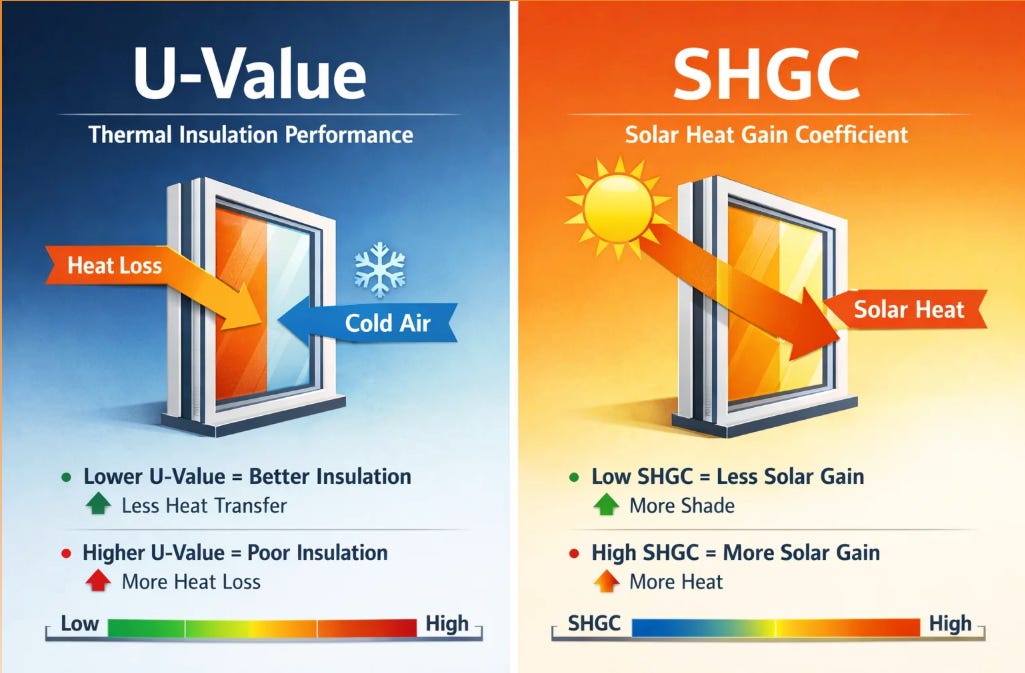
All clear, right? (source)
Our target U & SHGC Values
The DA approval for the house was given on the basis of specified U & SGHC values. If we lower the quality of the windows and do not meet those values, we won’t be able to build within the parameters of the DA. Even more, if the windows don’t meet the approved values, no BASIX certification will be issued and we won’t be able to build at all, without substantial alterations.
For reference, here are the values we need to hit:
• Awning Window: U-VALUE SHGC 0.31 U-value 1.7
• Fixed Window: SHGC 0.32 U-value 1.6
• Sliding Window: SHGC 0.39 U-value 1.9
• Lift & Slide door: SHGC 0.41, U-value 1.8
• Sliding Door: SHGC 0.45 U-value 1.9
• Hinged Doors: SHGC 0.3 U-value 1.7
The Great Window Search Begins
As the finer points of this dilemma emerged, who did we call? The builder! “What can be done??” we asked. The builder contacted his window supplier who said “yes, we have a thermally broken range which can meet these values!”
But, sadly, that range is not rated to [#acronym alert] BAL29. In fact, it’s not bushfire risk rated at all. No go.
Back to the drawing board. A day or two later, the builder came back again—a solution! A supplier who can make windows which meet these specs AND are rated to BAL29! And for a mere $24,000 extra! (Trust me, that’s an inexpensive solution in this house-building game).
It seemed a miracle. What were these Very Special windows?
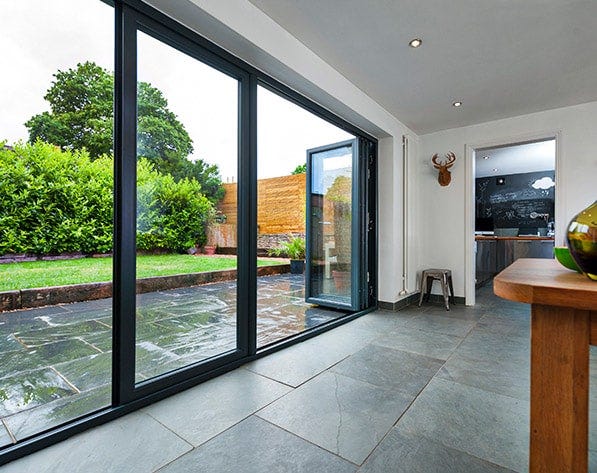
uPVC stacking doors (source)
[#acronym alert] uPVC Windows
The answer is uPVC. Now, you are probably familiar with the acronym “PVC” (polyvinyl chloride) and you’re probably thinking (as I did at first): PLASTIC windows?
But wait, there’s more. The “u” stands for “unplasticised”. “uPVC” is unplasticised polyvinyl chloride, a rigid, durable, and low-maintenance plastic material widely used in building and construction. Unlike standard PVC, it lacks chemical plasticisers, making it tough, weather-resistant, and ideal for window frames, doors and pipes.
How about the glass?
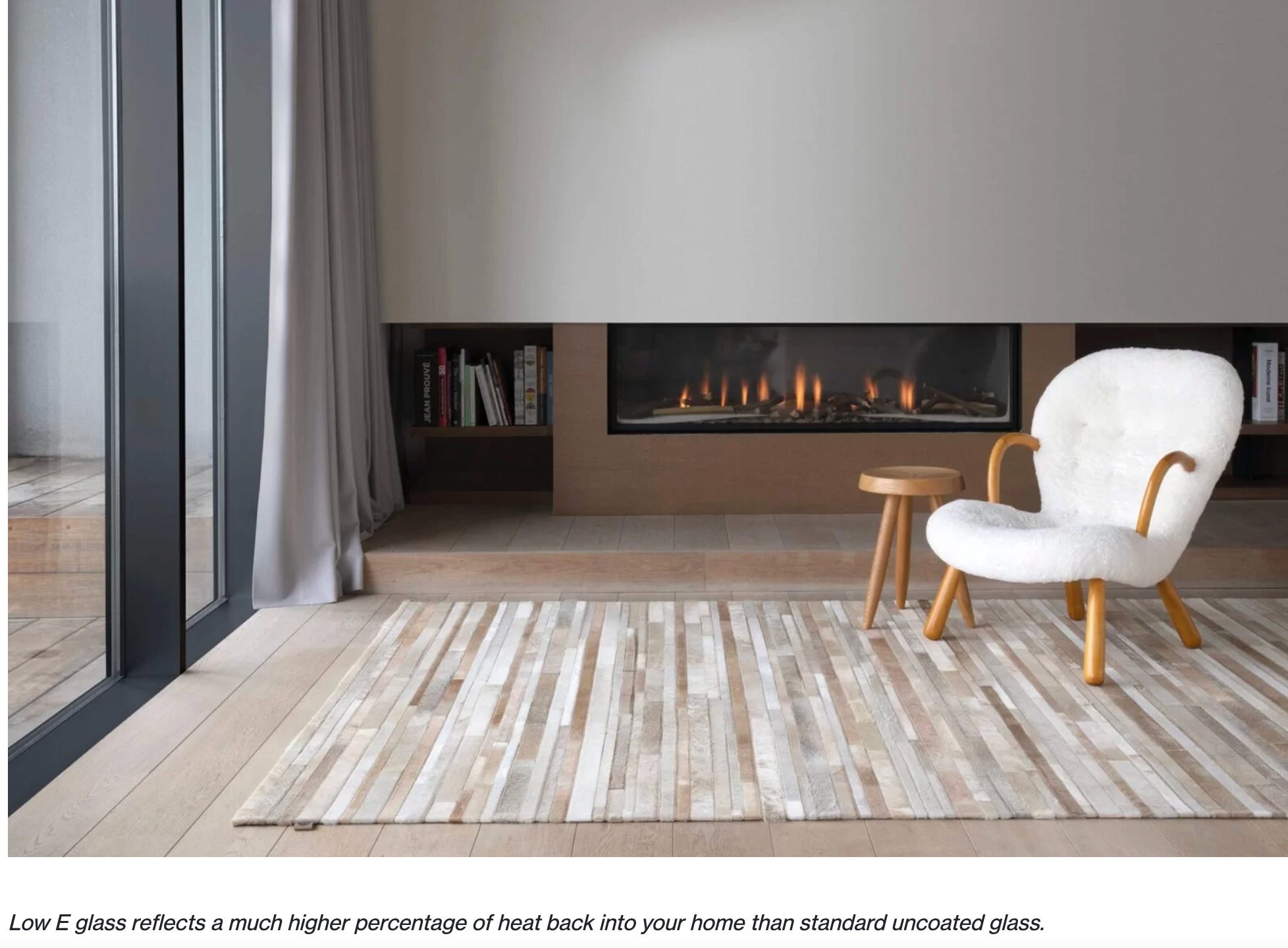
But there’s more to windows than just the frames. It is thought that between 10-50% of a given home’s energy loss occurs through its windows and doors, and that 90% of the energy lost through windows is lost through the glass itself. The glass in our uPVC windows will be a double-glazed Argon-filled unit with [#acronym alert] Low-E coating.
Low-E (low-emissivity) glass coatings are microscopically thin, transparent metal layers applied to window glass that act as an invisible thermal barrier, reducing energy bills and improving comfort by reflecting heat. They reflect interior heat back inside during winter and block external infrared/UV heat in summer.
Argon Gas
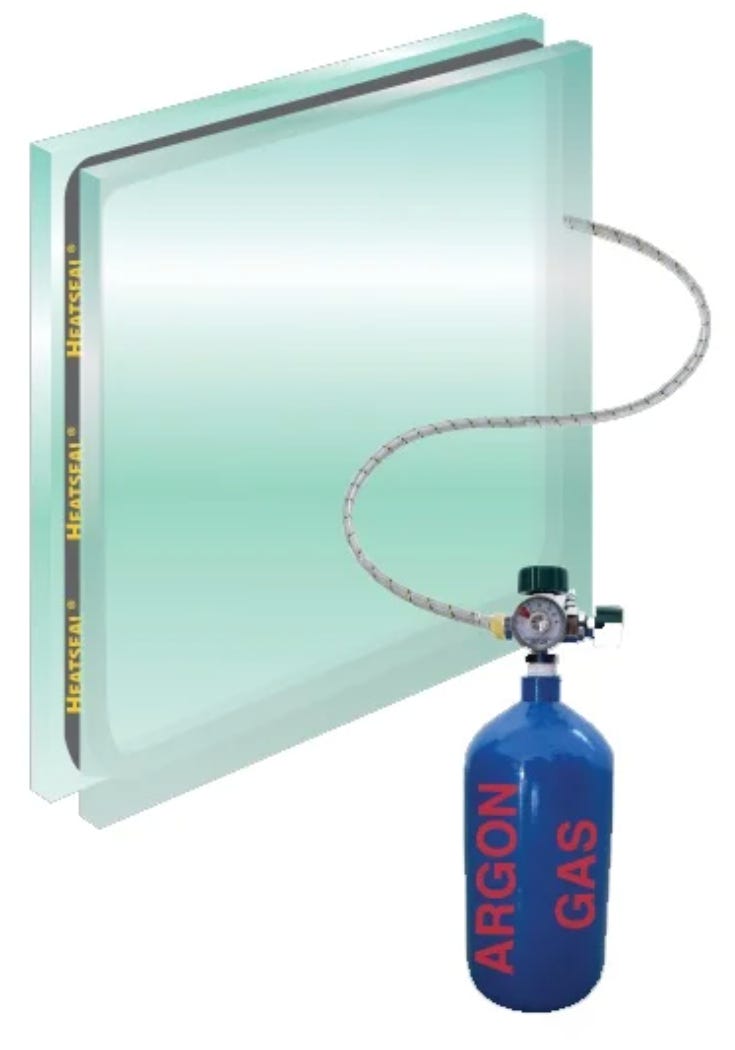
Yes, between the double-glazing of the Low-E coated glass will be Argon gas. By using this safe, dense, non-toxic argon gas instead of air between the panes, there is a significant improvement in thermal insulation and noise reduction.
The Supplier
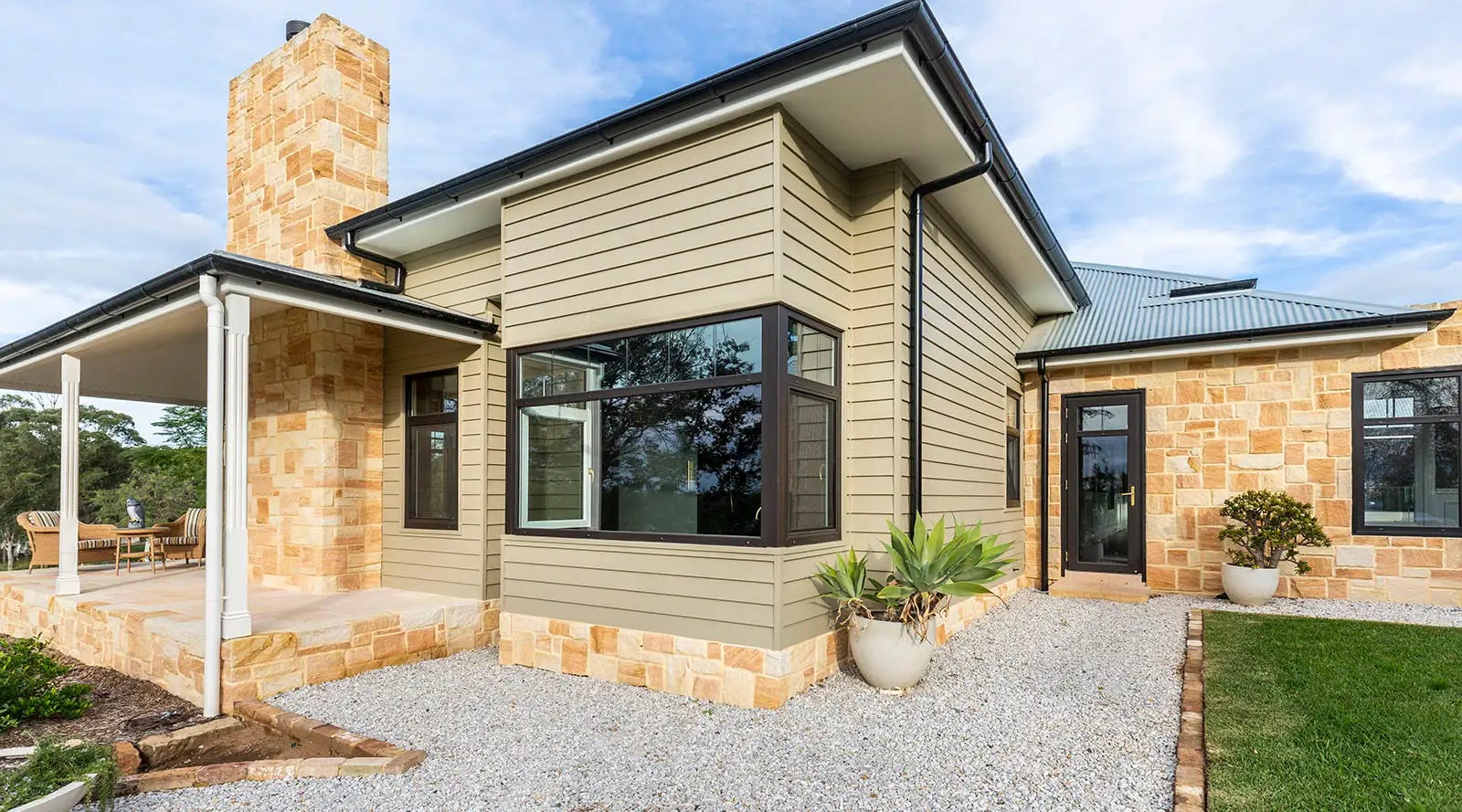
The window supplier of choice is Prestige Plus, a Sydney-based company. According to their website:
Our profile supplier is Deceuninck* — one of the largest market-leading uPVC companies in Europe, Asia, and Australia. The profiles have been modified to include a titanium compound that withstands the harsh Australian climate and high UV levels. We source corrosion-resistant hardware to ensure extra security and smooth operation.
Our uPVC windows in Sydney are tested and certified to BAL 40 bushfire protection standards, offering enhanced safety and peace of mind in high-risk fire zones.
*Deceuninck is a company established in Belgium in 1937, with a contractor network around Australia.
Prestige Plus Windows (from their website gallery)
But wait, there are still a few more hoops to jump through
The celebrations over finding this supplier who could meet all the window specs had barely kicked off when the BASIX consultant weighed in again. “Well, yes,” she said, “great windows. But the numbers still don’t quite crunch.” Or words to that effect. In order to ensure the whole house meets the BASIX seven-star rating we would still have to consider other measures. Maybe outside shading on some windows. Maybe extra doors making extra rooms instead of open-plan spaces. Maybe delete or shrink some skylights. Or install ceiling fans in several rooms.
Why is it so? Because the house is a bespoke design with large expanses of windows, and windows are a bummer when it comes to thermal efficiency. If we had fewer or smaller windows, we’d probably sail through. But I would love to live in a high, light-filled house flooded with northern light. Which is also thermally efficient—something of a contradiction. So I understand why these hoops are there and why we need to jump through them.
Which unpalatable option did we take? The ceiling fans. Mainly because it was the simplest and cheapest.
So now it’s back to the celebrations—a win is a win in a building project—and to a moment of gratitude to the builder for stepping in and saving the day by finding a window supplier who could meet all the acronyms … I mean, specifications.
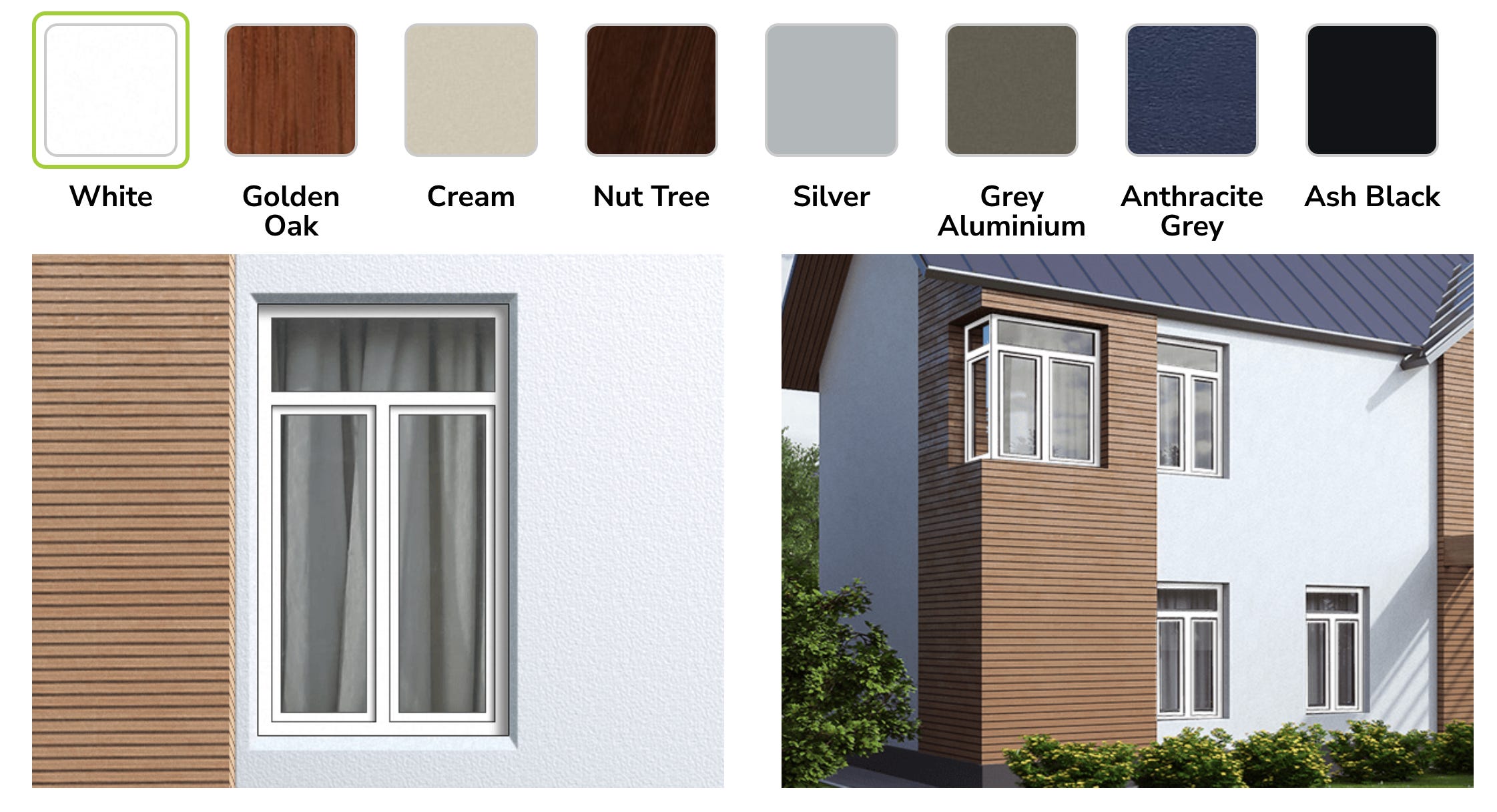
Prestige Plus Windows Colour Options. We chose “Ash Black”