
Theory & Practice
Lessons in Architecture

What does my Normanhurst house project have in common with the Reichstag Dome in Berlin? Well—they’ve both been designed by an architect. But there may be more lessons to learn.
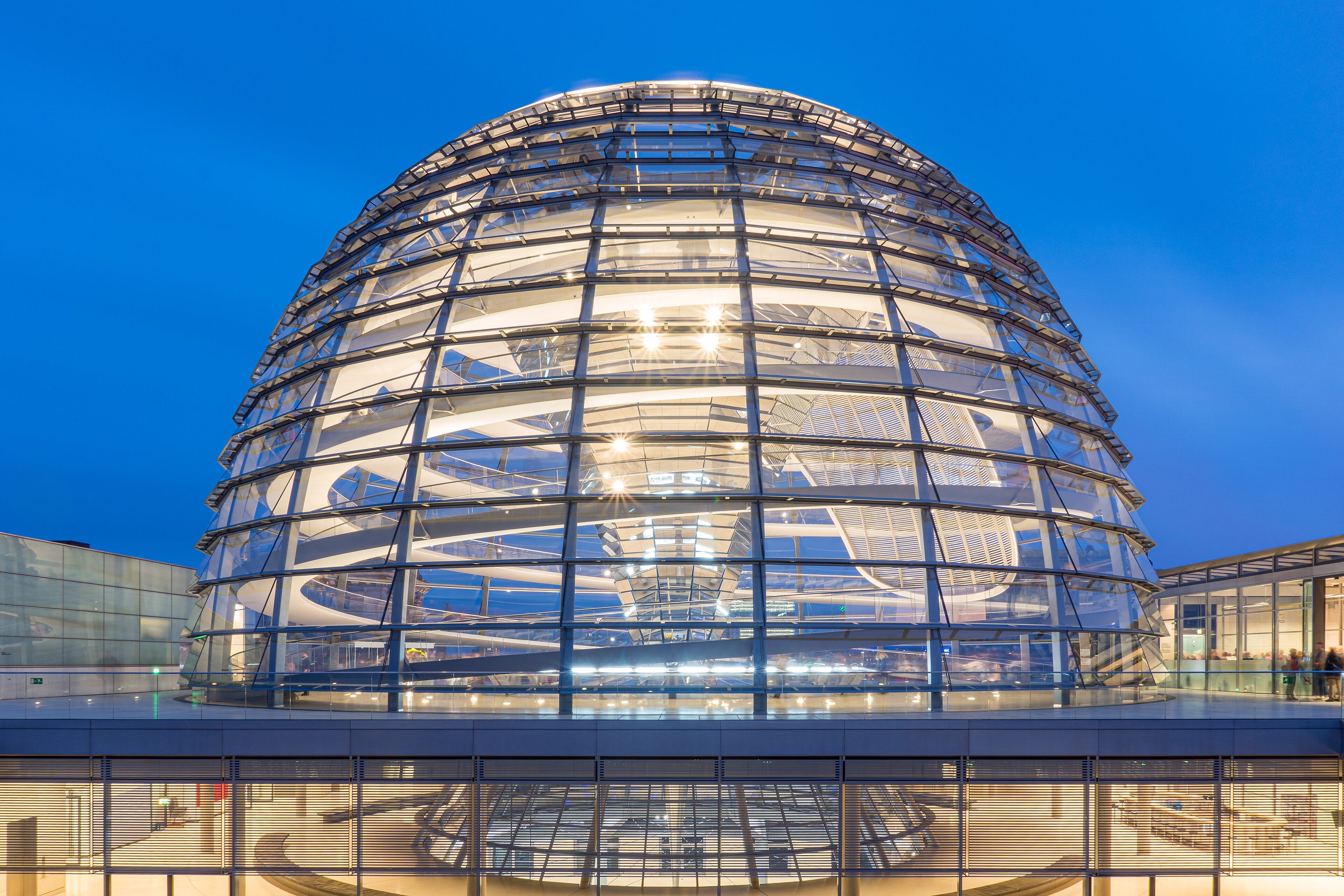
The Reichstag Dome, Berlin, 1993, designed by architect Norman Foster, from an idea of Gottfried Böhm, and built by Waagner-Biro to symbolize the reunification of Germany.
THEORY
Recently a friend sent me a podcast interview with “starkitect” Sir Norman Foster. “You will LOVE this interview”, he said. “Architecture and philosophy.” Of course, it’s a long time since Sir Norman Foster built a residential house, if he ever did. His master works tend more to large corporate headquarters and impressive public structures. He and his team are responsible for The Gherkin and the Millenium Bridge in London, the Reichstag Dome in Berlin, the HSBC Building in Hong Kong, and assorted airports and train stations.
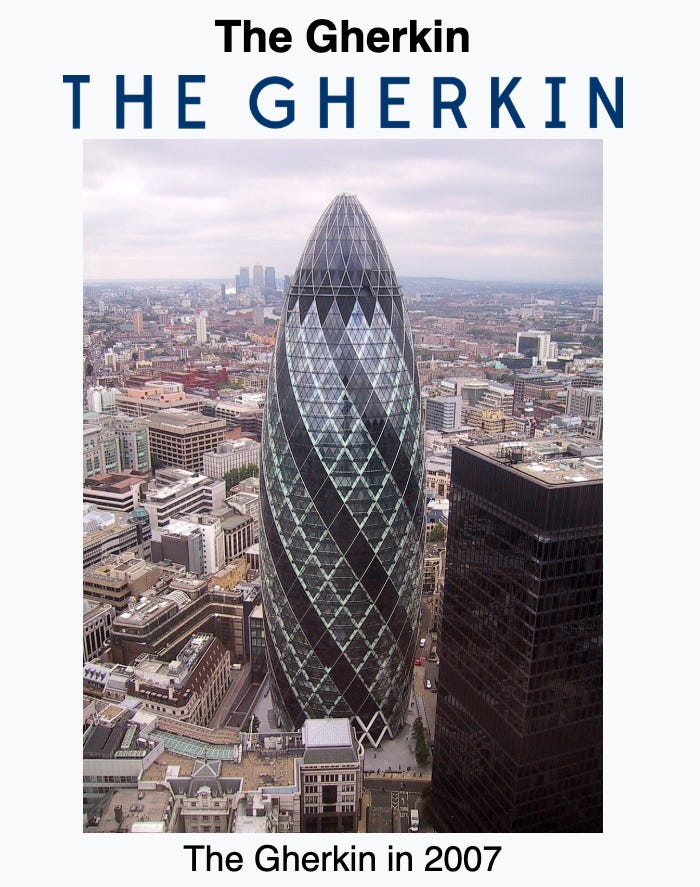
I listened to the interview and Norman Foster had a lot of interesting things to say about designing buildings for the future, about matching the project to the client, about the role of architecture in the public space. Interestingly, he also had a few more down to earth specifics which seem relevant even to my relatively teensy project.
The Budget
“It may be that the budget is absolutely fixed. We have that amount of money. How can we optimize? How can we maximise value? Well, first of all there is not the relationship that you would expect between quality and how much you spend on a building.
There are so many buildings I could point to where a fortune’s been spent and you just wouldn’t want to go near that building. There are buildings where they’re noble buildings and they were built on a very, very tight budget. So quality is an attitude of mind. It’s not how much you spend, it’s how wisely you spend it.
So that is philosophical, but it’s tangible in terms of the end results.”
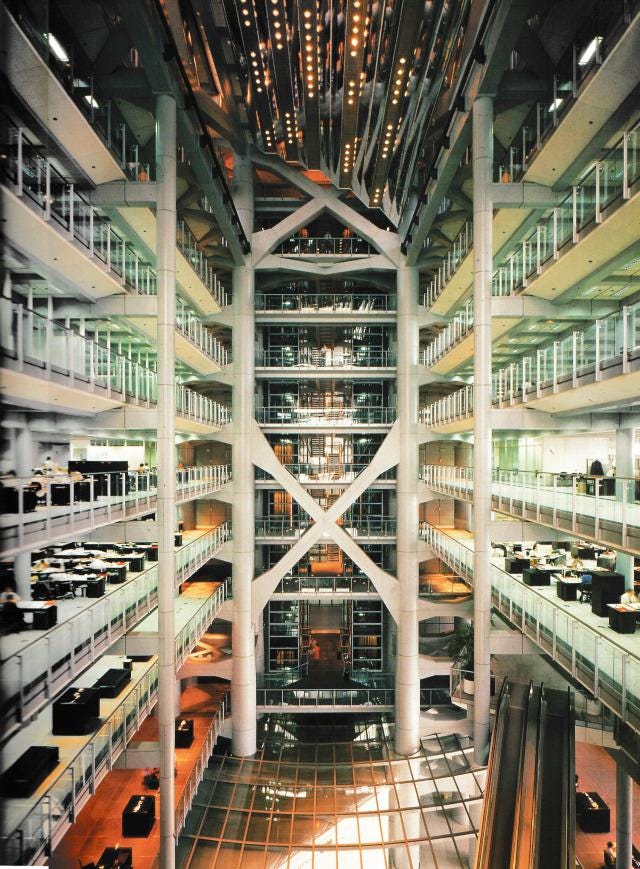
Atrium of the HSBC Headquarters, Hong Kong, designed by Norman Foster in 1979
Three Resources
“There are three resources, and one is the most valuable.
So you have money, you have time, because time is also money. The longer you spend on your project, the lower you’re actually going to get because … when you can do something faster within reasonable limits, then you’re maximising.
But the third resource is creative energy, and that is far and away the most valuable, because that’s going to determine what you get for your money….it’s part of the creative process to actually define the budget.”
Cost to Run
“The reality is that cost is always a factor. But the important thing is also, and it’s overlooked, it’s not just the cost of how much it costs to buy that building. How much does it cost to run?
And then over the lifetime of that project, the decision to spend that amount of money on that kind of building or another kind of building. How do you put a price on that?... Because in the longer scheme of things, the first cost of a building is a relatively small proportion of the bigger financial picture.”
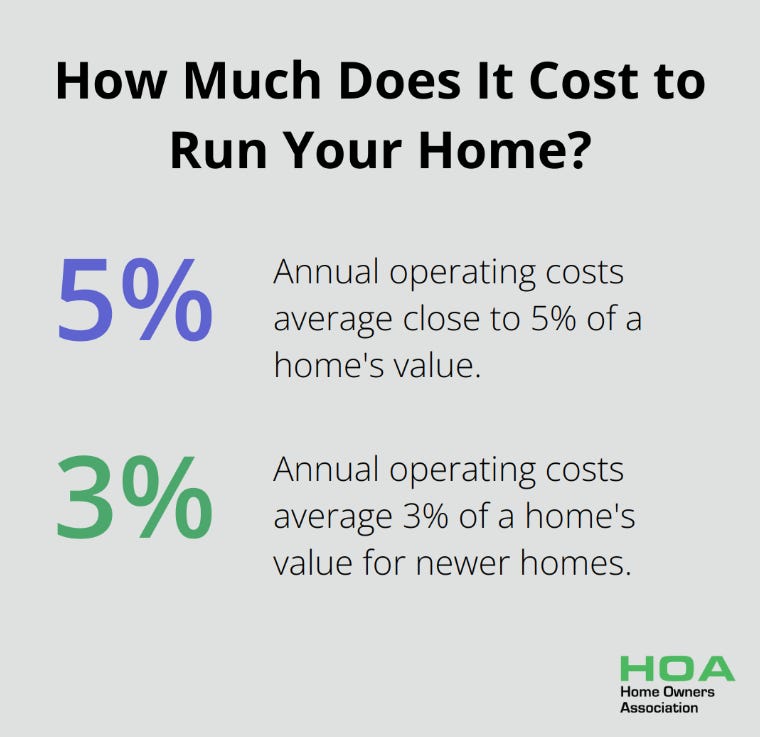
Something to think about, even for smaller building projects
PRACTICE
On the flip side of this lofty discussion, we have the on-the-ground realities of one small person building one small house. Theory and philosophy are all very well, but what about the practicalities?
I recently came across an Australian architect named Amelia Lee who offers online courses for anyone staring aghast at the gap between their vision of their ‘forever home’ and the actuality. She calls her business Undercover Architect. Basically, she teaches you how to project plan your build or renovation.
Amelia explains:
In my professional life as an architect, I’ve worked on projects worth millions of dollars. But when my husband and I renovated our own homes, I saw a completely different side of the industry. Without my “architect” title front and centre, I was treated as “just a homeowner.” A mum with a baby on her hip.
I heard things like this more than once: “We’ll just wait for your husband.”
… it highlighted something important for me. Homeowners aren’t struggling because they’re not capable. You’re smart. You manage careers, families, businesses, complex lives. If this process feels overwhelming or confusing, it’s usually because no one has properly explained how it actually works.
Amelia also produces a podcast which addresses questions such as building on a sloping block of land, designing on a budget, working with a builder, etc. etc. Amelia’s offering is not about the floor plan, nor the builder’s schedule, but the sequence of the decisions the owner has to make.
Confidence! Preparedness! Methodical and collaborative! Let’s go.
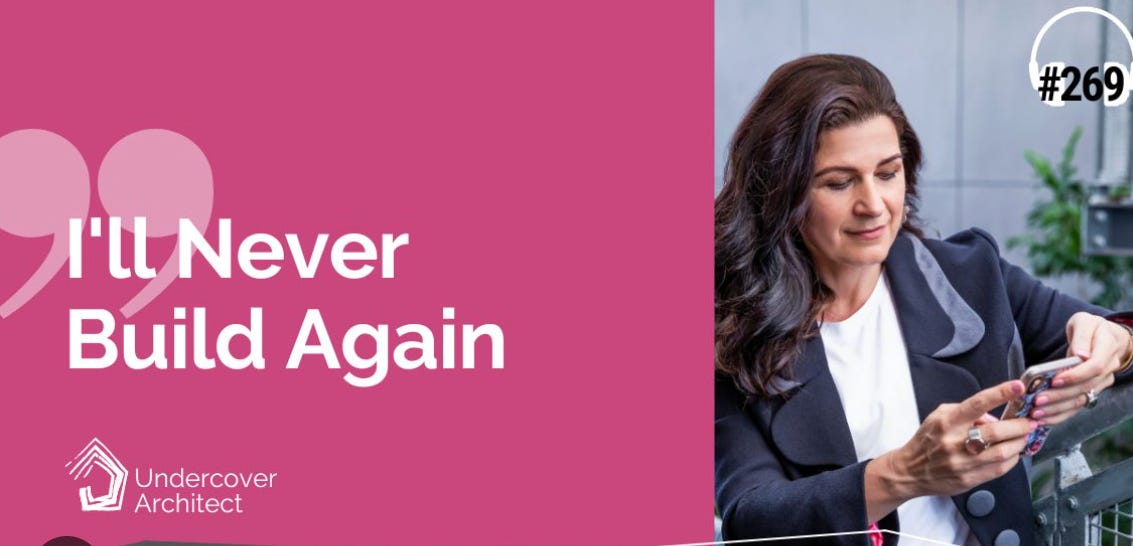
Podcast topics for all. (May this one not be me.)
Everyone’s worried about what it will cost
According to the Undercover Architect, there are hidden costs of not having a “project plan”:
1. Financial costs – not necessarily one big blow-out, but ‘budget creep’, paying for things to be repeated, small costs which mount up.
2. Time—hesitation, re-working things, backtracking.
3. Emotional costs: worry, feeling exposed, feeling dumb. It can be a big emotional roller coaster.
4. Lifestyle costs: your project can spill into everything, taking over your evenings and weekends, the project running your household.
None of these are inevitable (though I’ve experienced a few of them). It doesn’t have to be hard and horrible. The goal is to avoid being left burnt out and disappointed.
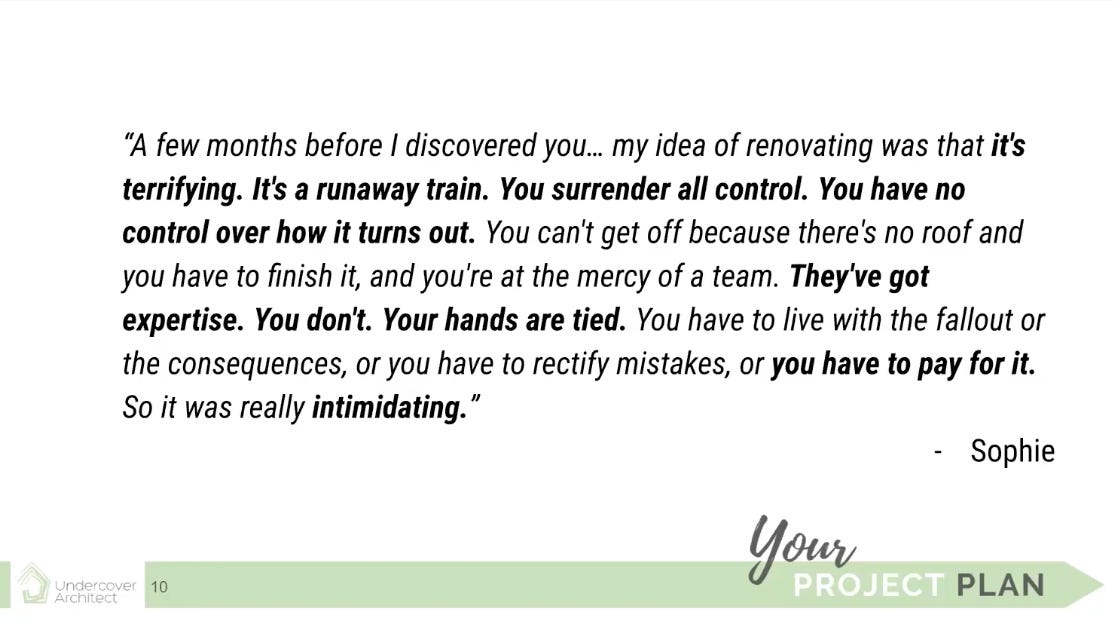
Pre-Build Phase
I’m in the so-called ‘pre-build phase’ at the moment. “Don’t rush it”, says Amelia. Don’t sign the contract before you’ve done everything, have timing and scope clarity. This is where stress and budget-creep is created, and it won’t show up until construction has started.
Advice: Don’t under-estimate this phase. Used properly it can be really useful for reducing stress and challenges in the construction phase.
Advice: When you get to the construction phase include regular site meetings. Have strong communication about timing and cash-flow. So you can feel secure that things are on track. You don’t have to give up agency.
Wise words, Amelia.
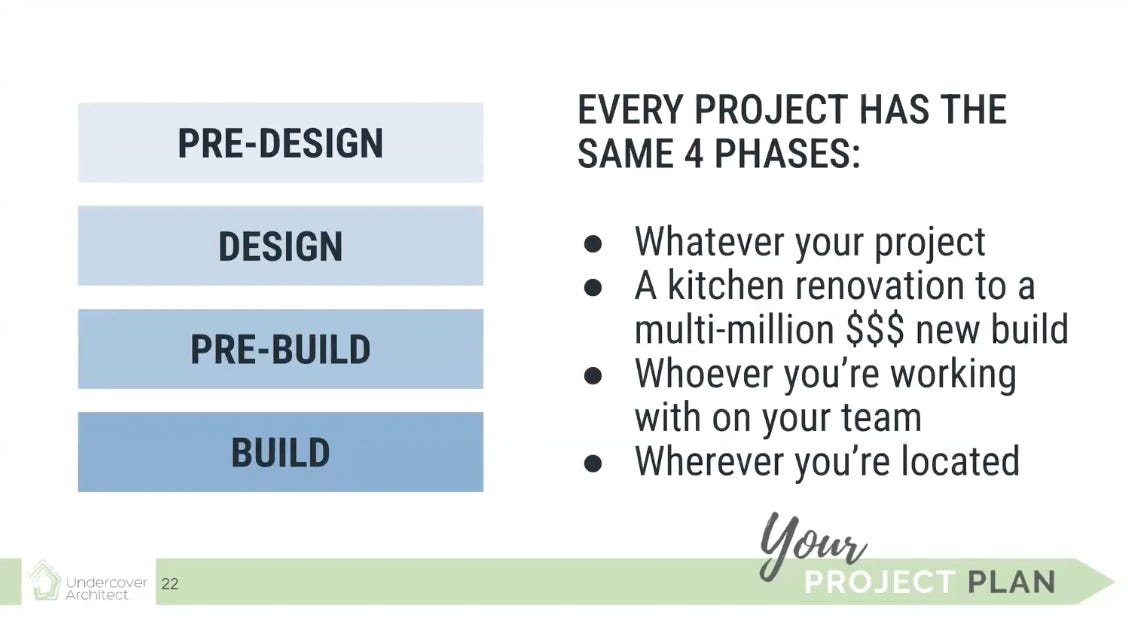
Melding theory and practice: summary
You’re supposed to enjoy the project.
Spend enough time doing the thinking and planning.
Be an active collaborator in the building of your home.
Good advice
This is all great advice, both the philosophical ideas of creative energy, the relationship between spending and quality, as well as the practical tips of educating yourself, spending time on planning, not giving up agency, and feeling like you know the process.
Checking in with myself
I’m happy to report that I’m still enjoying my project. In fact, I’m loving it. Yes, there have been some missteps, some back-tracking and re-dos, some compromises, a bit of budget creep. But I still feel like I have agency, and I’m part of the collaborative team building a house in Normanhurst (albeit slowly).
Credit for this goes largely to the architect for the project, Evan Freeman, who is there for me at every step. Thanks, Ev!
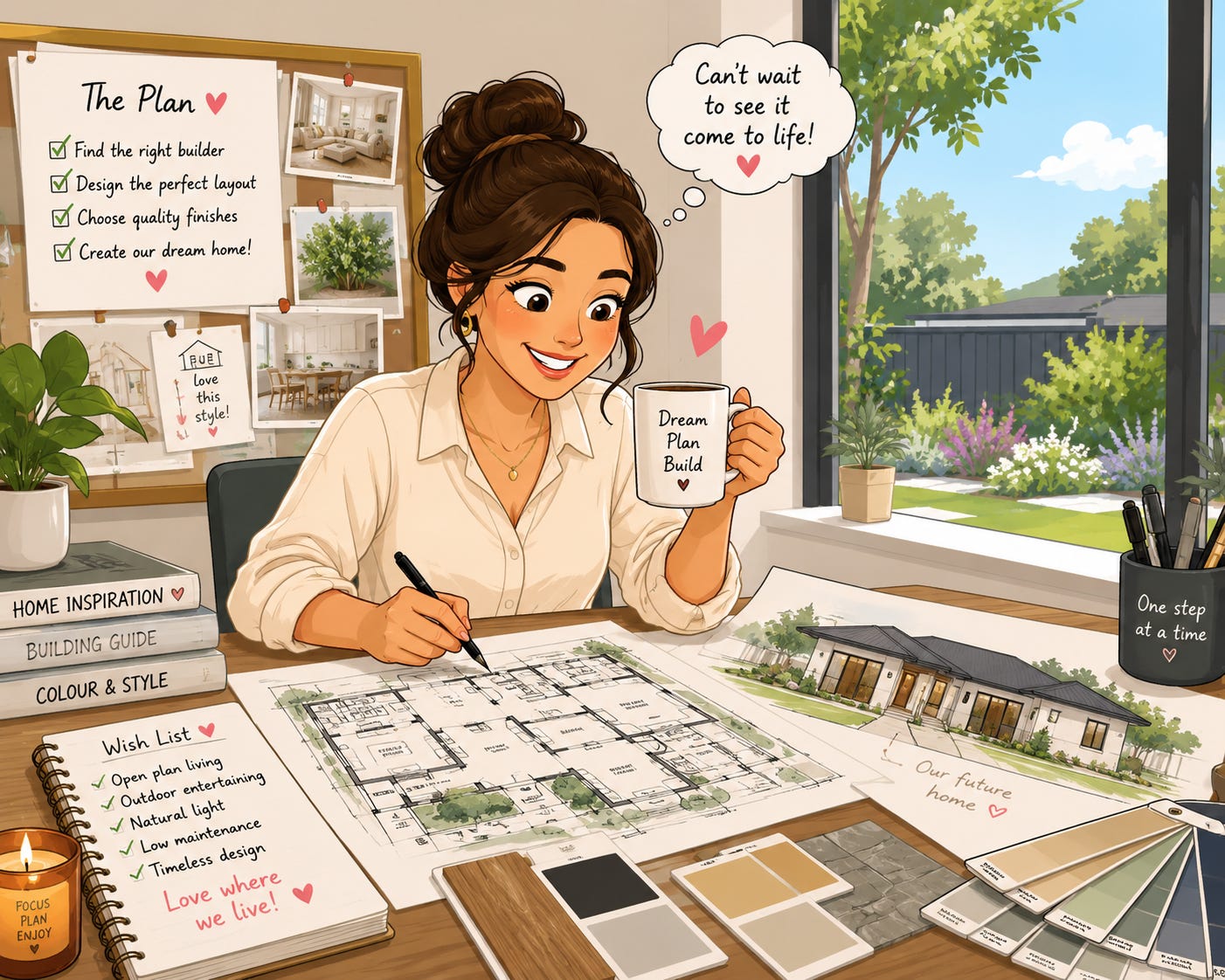
AI image of a generic happy home owner going over the details of her project plan. “Can’t wait to see it come to life!” Looks strangely familiar.