
The Electric House
With a fake fireplace?

The Electric House is a Buster Keaton film made in 1922 [watch it here]. In it, Keaton’s character installs all kinds of electric gadgets in a house, including a moving staircase. Naturally, mayhem ensues.
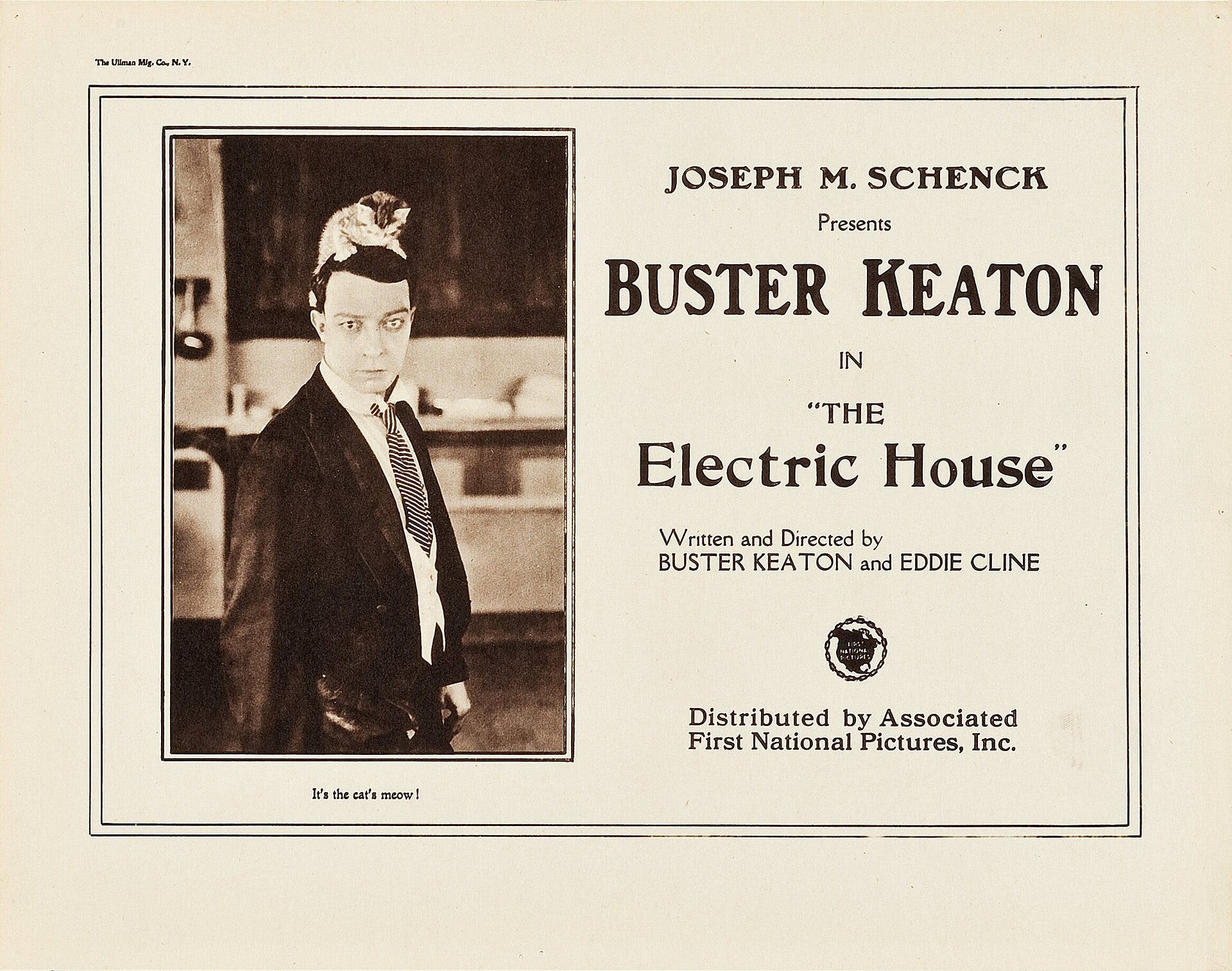
‘It’s the cat’s meow!’
‘Getting Off Gas’
The Electric House is where the authorities would like us all to live these days. The ACT and Victoria have already banned gas from all new home builds and new public buildings. Why? because ‘the gas sector contributed to 17 per cent of the state’s emissions and the move to electricity was a key element of meeting Victoria’s emission reductions targets.’ (source)
According to the Australian Sustainable Built Environment Council (ASBEC) houses account for 23% of Australia’s total emissions, and unless something is done, are on track to consume almost half of Australia’s total national carbon budget.
In NSW, the government has said it won’t ban gas (yet), but the City of Sydney council has voted in favour of investigating how to change the council’s local planning rules to ban new connections.
Am I convinced that I don’t need a cosy gas fire, a luxury gas cooker, and instant gas hot water, as I had in my old house? Maybe. *sad face*
Is gas ‘healthy’? No.
There are scary stories about how gas in a home affects health. The Climate Council has been saying for years: ‘Decades of aggressive marketing to Australians has led to several misconceptions about gas. In reality, gas is far from clean; it is a polluting fossil fuel that is already harming our health, wellbeing and, of course, the climate.’
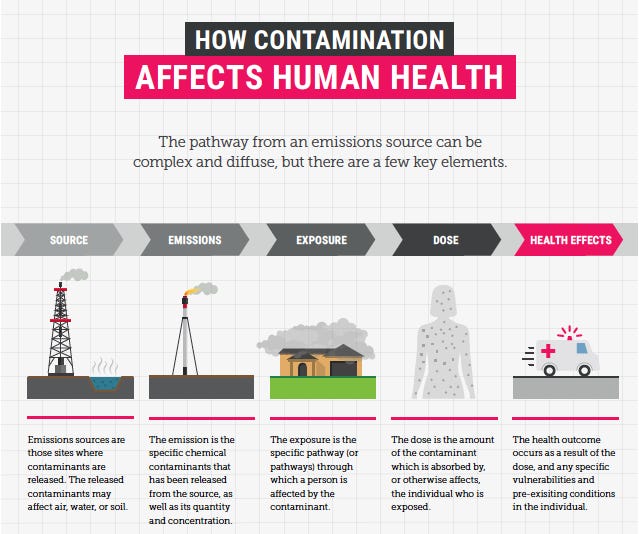
The Climate Council: dire warnings about emissions
The news gets worse: the Climate Council blames the use of open gas flames in the home for a long list of ailments, from childhood asthma, to migraines and fatigue, skin conditions, respiratory infections—even cancer. ‘While today’s gas may have once been a welcome upgrade from still dirtier fuels such as town gas, wood, coal or kerosene, gas appliances have fast become a poor and polluting cousin to more efficient and healthier electric alternatives.’
Will the gas ban reduce emissions?
A gas ban won’t do much to reduce overall emissions if the alternative is reliance on the coal-based electricity grid. The replacement electricity needs to come from a greener source. So a solar array on the roof is in the plans for Normanhurst.
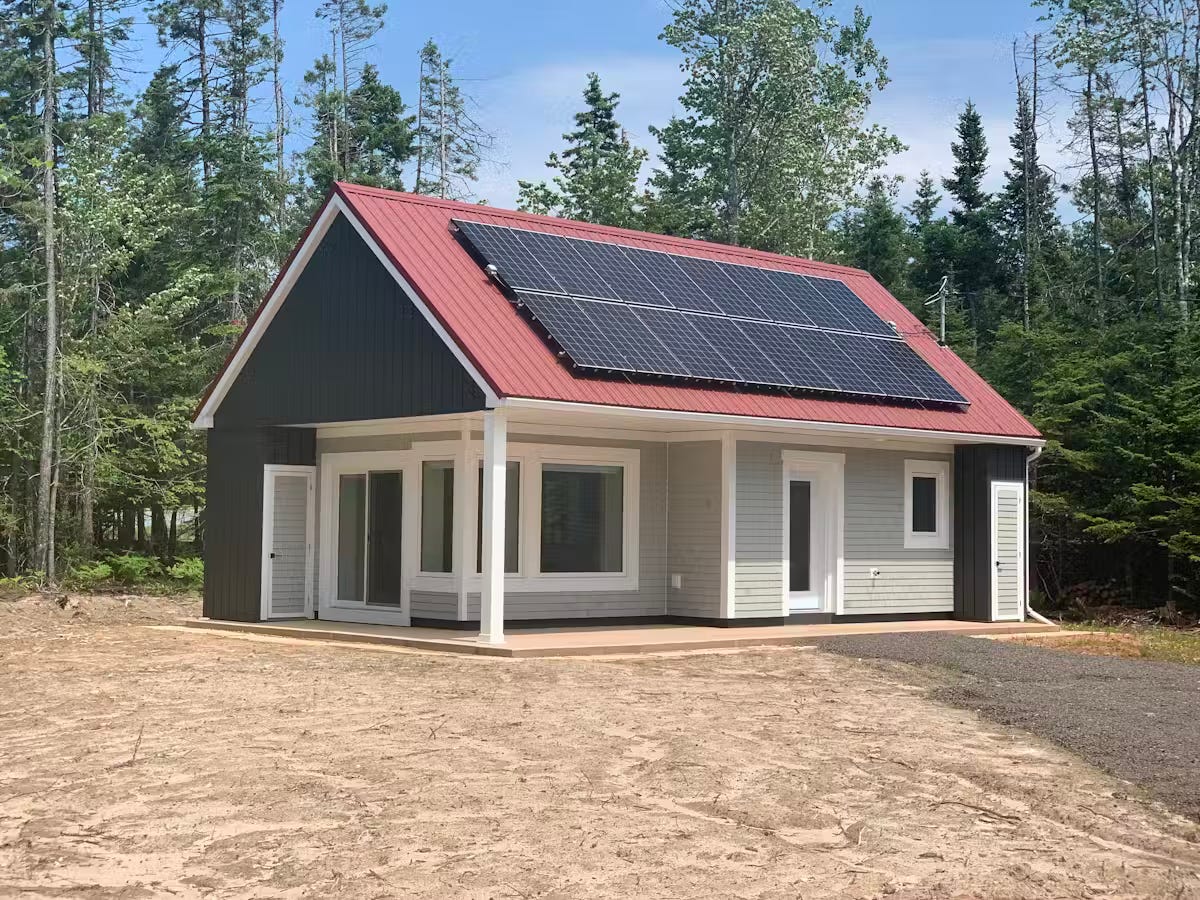
A ‘solar array’. Sounds good.
This Passivhaus retrofit in Melbourne achieved terrific results relying entirely on electricity generated from solar panels: ‘With no gas connection to the house and a 6.4kW solar PV on the roof, this is a fully electric home … “We export far more electricity than we consume.” The savings in terms of electricity bills are astounding, it only costs $450 per year to cover all the heating, cooling and electrical appliances in the house, this includes an electric car.’
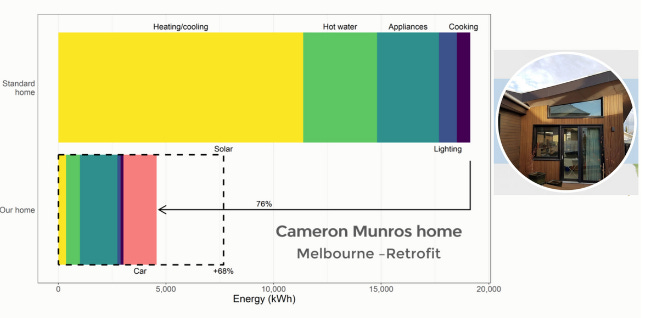
Diagram of the energy consumption in the Melbourne retrofit.
Gas in a Passivhaus? No.
In a tightly sealed house with a ventilation system, the emissions from open gas flames would be circulated through the air. Then the scary Climate Council health outcomes would be even more likely.
So in a Passivhaus it’s electric cooking—induction is apparently great—and electric hot water. Electricity for the ventilation system, the EV charger in the garage, the lights and appliances. And hopefully very little energy needed for heating and cooling.
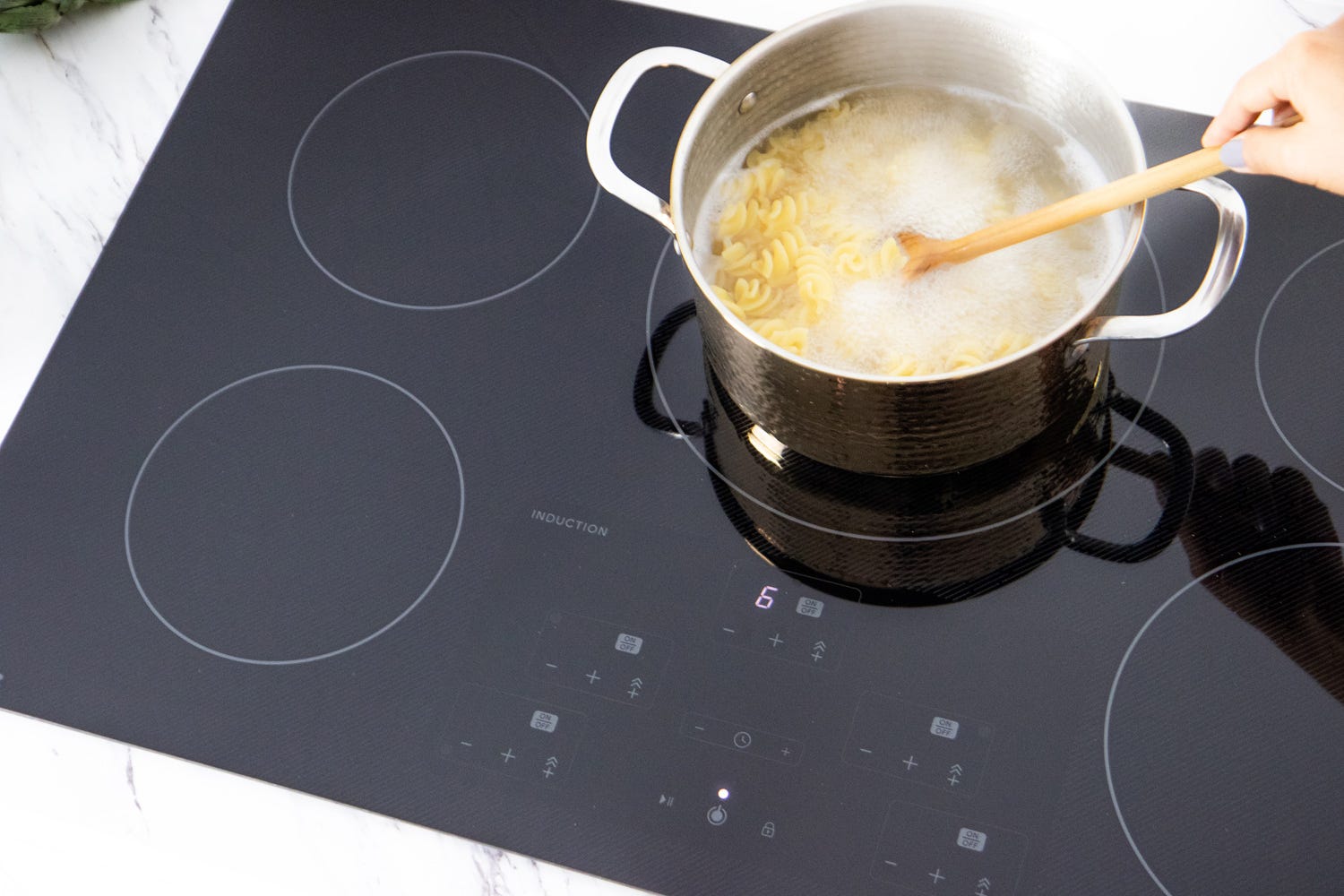
Electric induction cooking—the way to go (source)
What about that fireplace?
I could in theory have a fireplace in a Passivhaus (she says wistfully), within certain strict parameters. This site explains that in general, Passive houses are designed without the need for conventional heating and cooling. But in some climates you might want to have a little extra. It lists the electric options for a Passivhaus: reverse cycle split systems, panel heaters, floor heating. If you do install a fireplace, it advises: ‘a penetration in the ceiling such as a chimney or flue would be a giant hole in the airtight layer around the house, leading to the home no longer performing to passive house standard.
That is why passive houses with a fireplace are designed to draw air in from outside to feed the fire. One option to do this is through a room-air independent, slow-combustion fireplace. Another possibility is an airtight wood stove that receives air from outside.’
But no gas.
Fake fireplaces
Sighing nostalgically over winter evenings in front of a fire, I scoured the resources to find alternatives for a fireplace, perhaps one that just looked like a fireplace, even if it didn’t give out much heat. Sadly, the electric fakes were underwhelming, unconvincing in their fakery. If I’m going to have a fake, it needs to at least be a good one.
I discovered water vapour fireplaces, and went to take a look at them in a showroom. Water vapour fake fires work with a water tank (not plumbed in, you have to refill it) and a standard 3-prong power point. They also need an air inlet, usually underneath. They use LED lights, and come with a sound feature—which can be turned off, if you don’t want to listen to fake wood crackling while watching your fake flames.
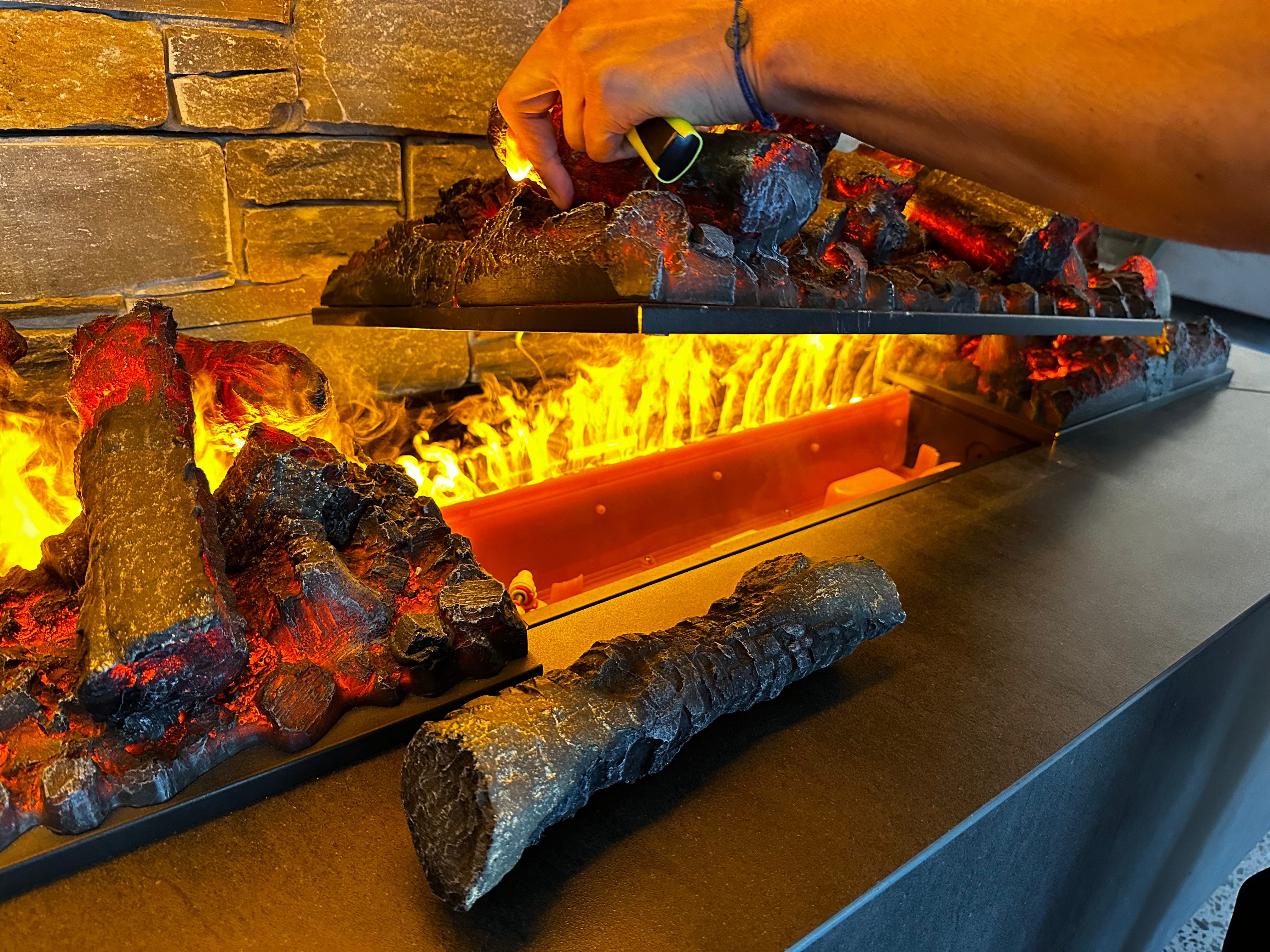
Water vapour and LED lights create a ‘cold fire’, topped by fake logs.
Despite my resistance (can you sense it?) I was impressed by the water vapour ‘fires’. This is the list of ‘pros’ I made:
• Can be installed in any surrounding material (doesn’t need to be fireproof).
• Needs no flue or chimney, so no puncturing of the house envelope.
• Cold, so safe to touch and doesn’t interfere with whole house temperature control.
• No fumes or emissions.
• Looks pretty good! Convincing.
• Comes with fake logs, or simple metal plates on which you can arrange your own logs, driftwood, pinecones, rocks, etc. Interchangeable.
• Can be double sided; needs no front glass. Versatile—can be installed anywhere.
• Uses ambient air without external input, so has no effect on the thermal balance of the dwelling.
• Uses LED lamps which have very little effect on the energy balance of a low-energy consumption house. Economical to run.
• Can be used all year round (because cold).
And this is a list of the ‘cons’:
• Fake
• Cold
I did wonder about the humidity from the water vapour, but the dealers say the mist is so fine, there are no condensation problems as long as the room isn’t very small. One site says: ‘The units do increase humidity slightly, akin to 1-2 persons breathing in a room.’
Fake fire. Will I or won’t I?