
The Compromises
... a few to mention

At this stage in the building journey—signed with a builder and a detailed tender in hand—it might be a good idea to recap on just what compromises we had to make to get here. Specifically: what happened to the passive house?
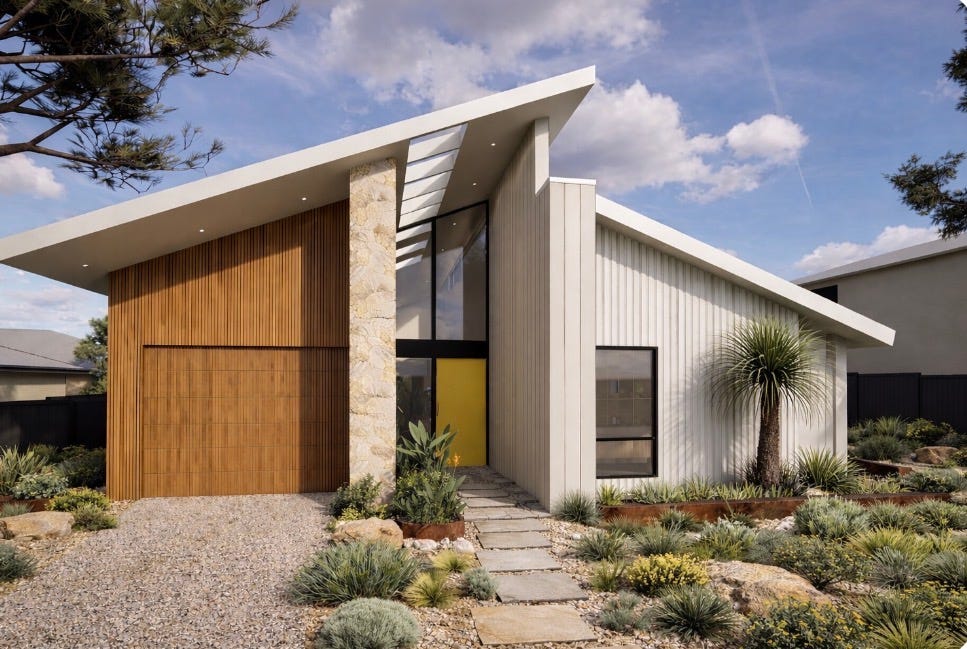
“Compromises, I’ve made a few, but then again, too few to mention…”
[AI assisted image]
The passive house goal *sigh*
In many previous posts, I waxed lyrical about the benefits of passive house construction. How the house would be super energy efficient, sealed up, an HRV unit ventilating and filtering the internal air, reduction of drafts to almost nothing so that heating and cooling is barely needed. Soundproofing. No bugs can get in. Possibly making feature walls of the CLT panels.
Sadly, that aspirational goal has fallen by the wayside. Why? There are a variety of reasons, and I’ll give my personal summary here.
Costs
We knew costs would be higher with SIP panels, or similar prefab construction techniques, but struggled on for a while to see if we could stretch the budget. One reason such prefab systems are more expensive is because very few manufacturers make the panels in Australia. Often, they have to be shipped from overseas, or if they are manufactured here, the components come from overseas. This feeds into reason number two.

Delays
Because we began with a architectural plan, and then sought a panel manufacturer, the delays appeared to escalate. The manufacturers need to re-engineer the plans in order to produce the panels. The manufacturing process has to take place, possibly in China. The panels are shipped to Australia, then transported from the docks. In the case of the company Carbon Lite in Melbourne, the builders themselves travel up from Melbourne, and stay in a motel while they put the panels together. The delays involved in this, although not immediately apparent, are – I can assure you – quite significant.

Early Adoption
None of this is to diss the passive house construction system, which I still think is probably the way of the future, given its ability to reduce the need for electrical heating and cooling. However, the concept is still very much in its early days in Australia, suppliers are few and far between, local manufacturers even more scarce, and no economies of scale yet exist. Possibly if we had gone to a SIP manufacturer and requested a cookie-cutter, predesigned building, we might’ve got to a passive house. But that of course was not the road we wanted to take.
It’s worth mentioning that none of the difficulties we faced were due to regulatory problems with Council, or any other authority.
Australian Passivhaus Association—good luck, guys!
So what have we been able to achieve?
I’m very pleased to tell you that, despite having to make the big compromise of abandoning passive house construction, we have been able to incorporate in the building several innovations, which will, I hope, make the house comfortable and healthy to live in.
Air purification
While we will not have an HRV ventilation system ducted through the house, we will have ducted air conditioning. And we have chosen to go with Panasonic nanoeX which includes air putification.
Panasonic’s nanoe™ X is an electrostatic atomization technology that generates “hydroxyl radicals” encapsulated in water to purify indoor air, deodorize fabrics, and inhibit viruses, bacteria, mould, and allergens by up to 99%. It works by releasing these microscopic, long-lasting particles into the air, which can also provide skin-hydrating benefits.
This sounds a bit science-fiction-y, but it’s received some good hype.
How it Works: The technology takes moisture from the air, applies a high voltage, and creates hydroxyl radicals, which are reactive molecules that break down pollutants.
Effectiveness: It is effective at inhibiting airborne and adhered bacteria, viruses, pollutants, and odours, making it suitable for asthma or allergy sufferers
Safety: The particles are safe, as they are generated from water and do not produce harmful levels of ozone.
Benefits: It provides 24-hour air purification, deodorises spaces, and maintains air humidity.
Windows & doors
The windows we use will (probably) not be thermally-broken. I am a bit sad about this, but the price of thermally broken windows is astronomical. The windows will, however, be double glazed to a high standard of insulation. Budget allowing. The builder has specified “Upgraded high-performance double-glazing from the builders’ nominated supplier”, but the precise window specification is still “under discussion”. The BASIX energy consultant is reviewing our windows, and she is pushing for thermally-broken versions. We may need to add external shading.
We’ll see how that goes.
Can you believe we’re still scratching our heads over the windows?
Roof Ventilation
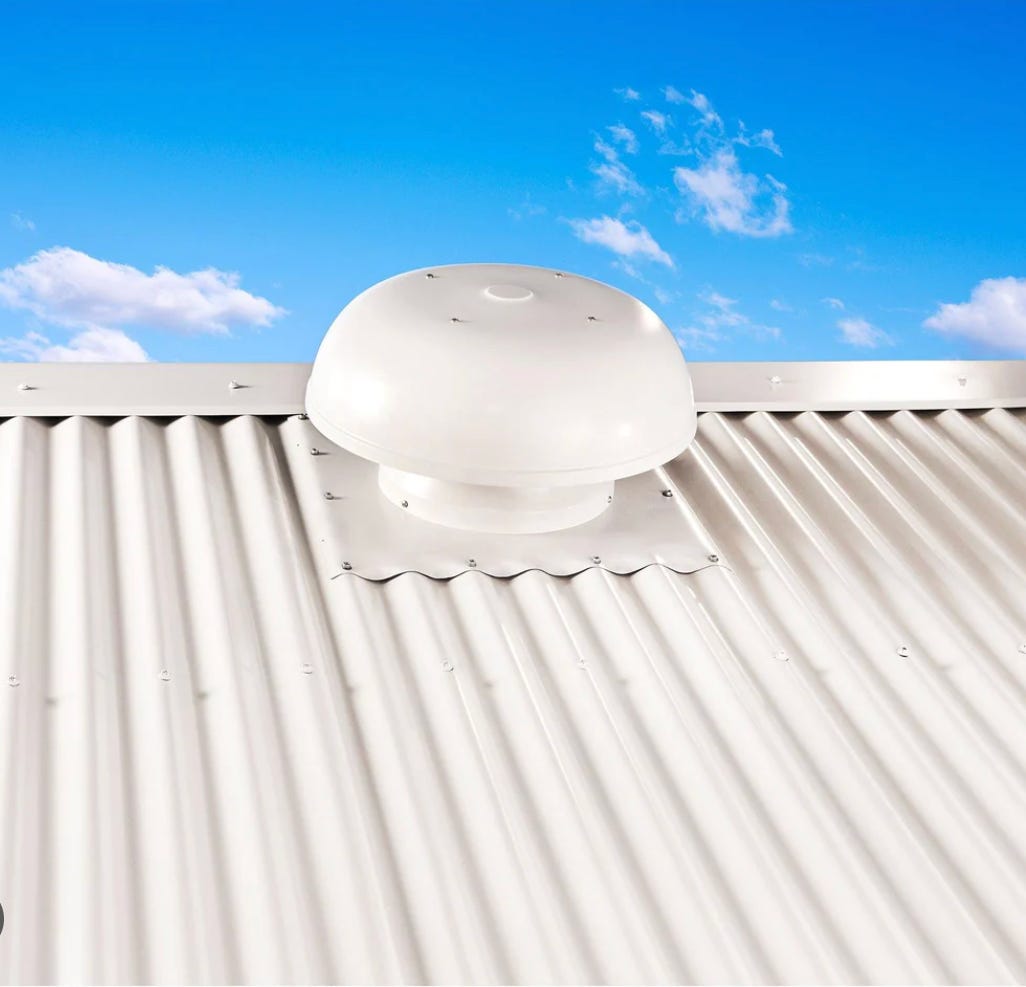
The builder has included a Maestro BAL Smart powered roof ventilation with a built-in Air IQ smart box that automatically detects heat and humidity. This is a bushfire-rated powered roof ventilator designed to remove heat and moisture from the roof space while meeting BAL (Bushfire Attack Level) compliance requirements. This powered fan reduces roof cavity heat and moisture. The main gains are lower attic temperatures, reduced cooling loads, and improved durability of the roof structure.
Insulation
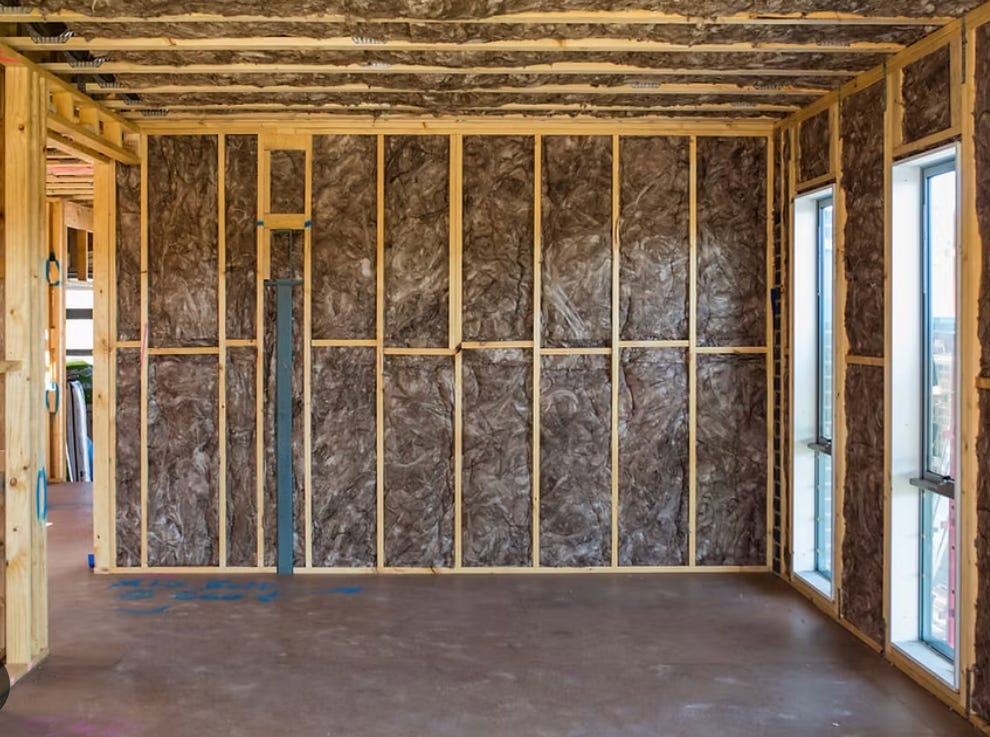
The builder’s specifications for insulation of the house (which will reach a “7 star rating” for energy efficiency):
Ceiling insulation batts rating R6.0 to living areas as required.
External high-density wall insulation batts, rated R2.7 HD, to be installed in living areas as required.
Install high-density internal wall insulation batts rated R2.0 HD on all internal walls. Included
Supply and installation of roof sarking to roof tiles or Anticon R1.8 insulated sarking to the entire underside of the Colorbond® roof.
The 2022 National Construction Code (NCC) mandates a new minimum thermal performance rating of 7 stars under the Nationwide House Energy Rating Scheme (NatHERS) for all new homes. Additionally, new homes must meet a minimum annual energy use budget, with most jurisdictions adopting this requirement nationwide. This upgrade is expected to reduce emissions by 25%, equivalent to the emissions of one car.
The 7-star rating is not just about insulation. Orientation of the house, the glazing used, etc. all feed into it. But we do need to be snugly insulated.
Whole house water filter
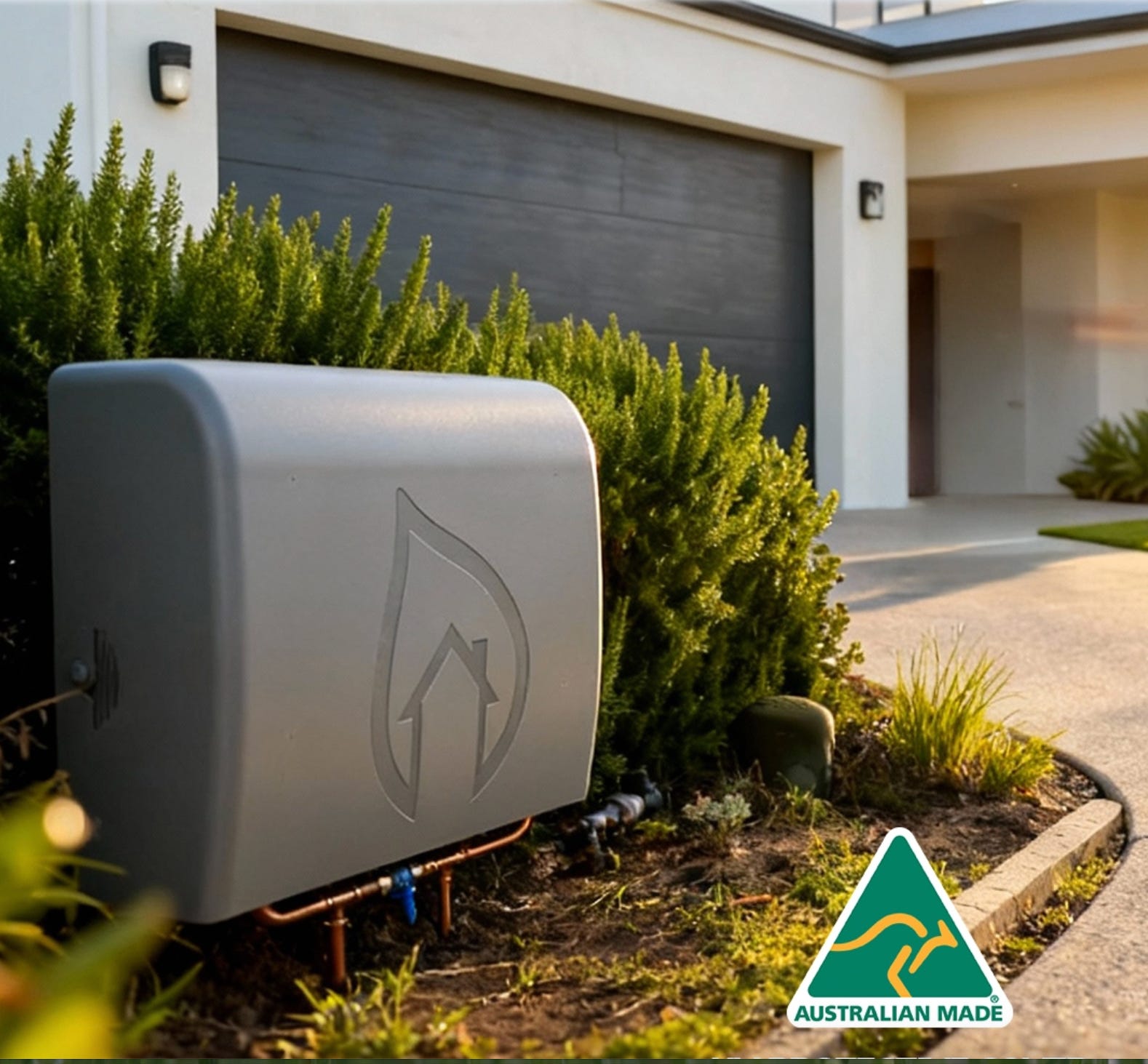
We are going to include a Puretec Whole-house water filtration system. According to the manufacturers:
Remove up to 98.5% of chlorine by-products and filter out a whole range of heavy metals and contaminants with our Whole Home Water Filtration Systems. The benefits of filtered water go beyond just drinking water. Reducing chlorine levels across the home can also reduce the skin and lung irritation in the shower caused by chlorine vapour. Water comes from many sources, each bringing different challenges. Our mission is to deliver colourless, odourless, delicious water to every home, without introducing harmful plastics or chemicals to the mix.
Other eco-friendly features
There will also be a number of other eco-friendly features to the building, many of which are frequently included (and often required) in modern house construction:
Solar array to generate enough electricity to power the house
5000 litre rainwater tank
Reticulation of rainwater and recycled water to toilets and washing machines
A garden with no water-hungry lawn
Water-saving rated taps, shower heads and dual-flush toilets
An electric car charger
LED lighting throughout
Hot water system and clothes drier using heat pump systems
All-electric house
Whole house constructed to BAL-29 fire rating.
And just a reminder that the house is positioned to take advantage of northern light, and has very few windows facing due west, the best options for a thermally-smart house.

Happy with it
So overall, I’m happy with the effort we’ve made to specify a 2026 residence, with an eye on a future in which energy may be scarce and/or expensive, where weather may become more extreme, and water will need to be conserved.
Which is what everyone should be doing, hey?