
Site Visit
Has anything changed?

You might be wondering when the builders will be moving onto my block, now that the DA has been approved. The answer: Not Yet.
Several people, in offering congratulations on the approval, made remarks like “the hard part is over!” But no—as Evan clarified, the hard part is just beginning. Indeed, the NSW Government itself says on its Planning website:
While receiving your development consent is worth celebrating, it does not mean that you can start building work.
The building process in NSW requires, as a next step, ANOTHER approval (what was that Ross Gittins said about regulation and bureaucracy affecting the building industry?)
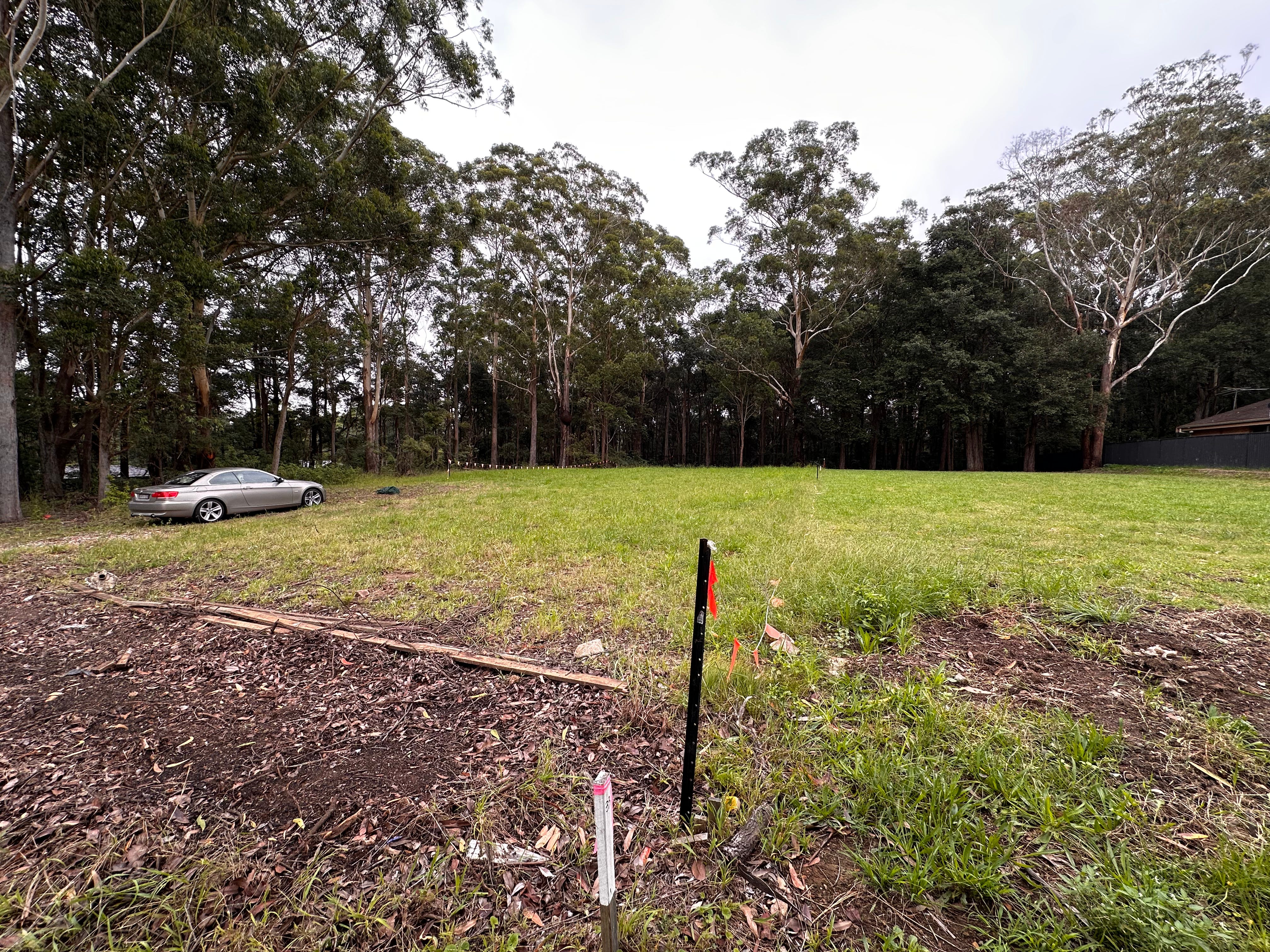
Still waiting
The ‘CC Stage’
Now the construction diagrams have to be drawn up, more experts retained to give more reports, and a Certifier engaged to give us, hopefully, a Construction Certificate. From NSW Planning:
The CC must be obtained from your council or an accredited certifier and includes your detailed building plans/engineering details and specifications. The plans will most likely contain a lot more information than your approved DA plans, to allow your builder to work directly from them.
The building must be consistent with them and the development consent.
In order to obtain the CC you may be required to first provide additional reports and pay refundable bonds or development contributions to the council. These details are covered in the conditions of your development consent.
So that’s what we’re working on now.
Watch this space.
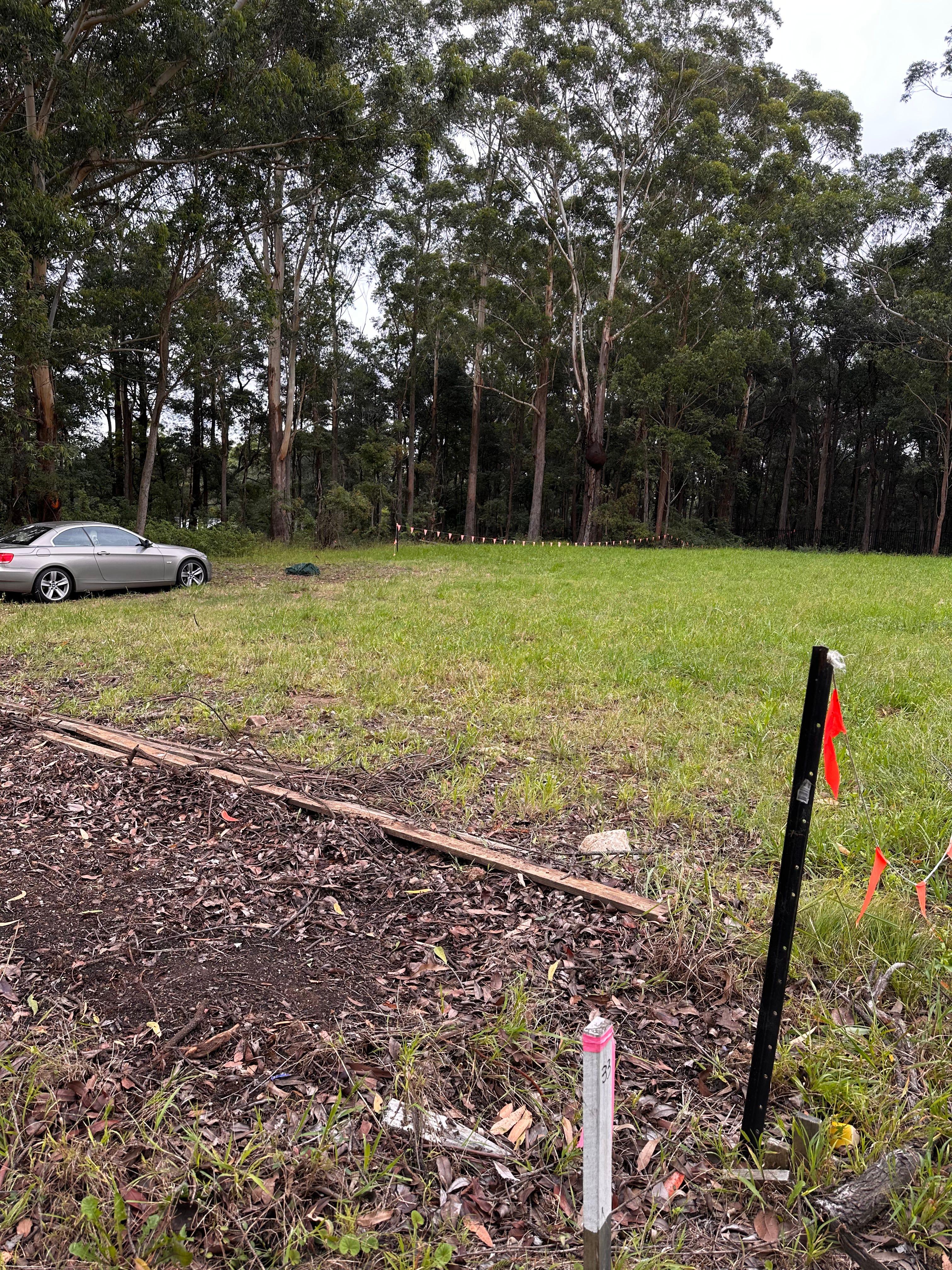
The old hedge is gone. I’m calling this progress.
Site Visit
Today I visited the block, just to dream and plan. An old hedge which was marooned at the front boundary has been removed, making the space look even bigger. My neighbours—close to DA approval themselves—have a lovely clear block next to my rather rough crop of weeds. (They invested in a ride-on mower.)
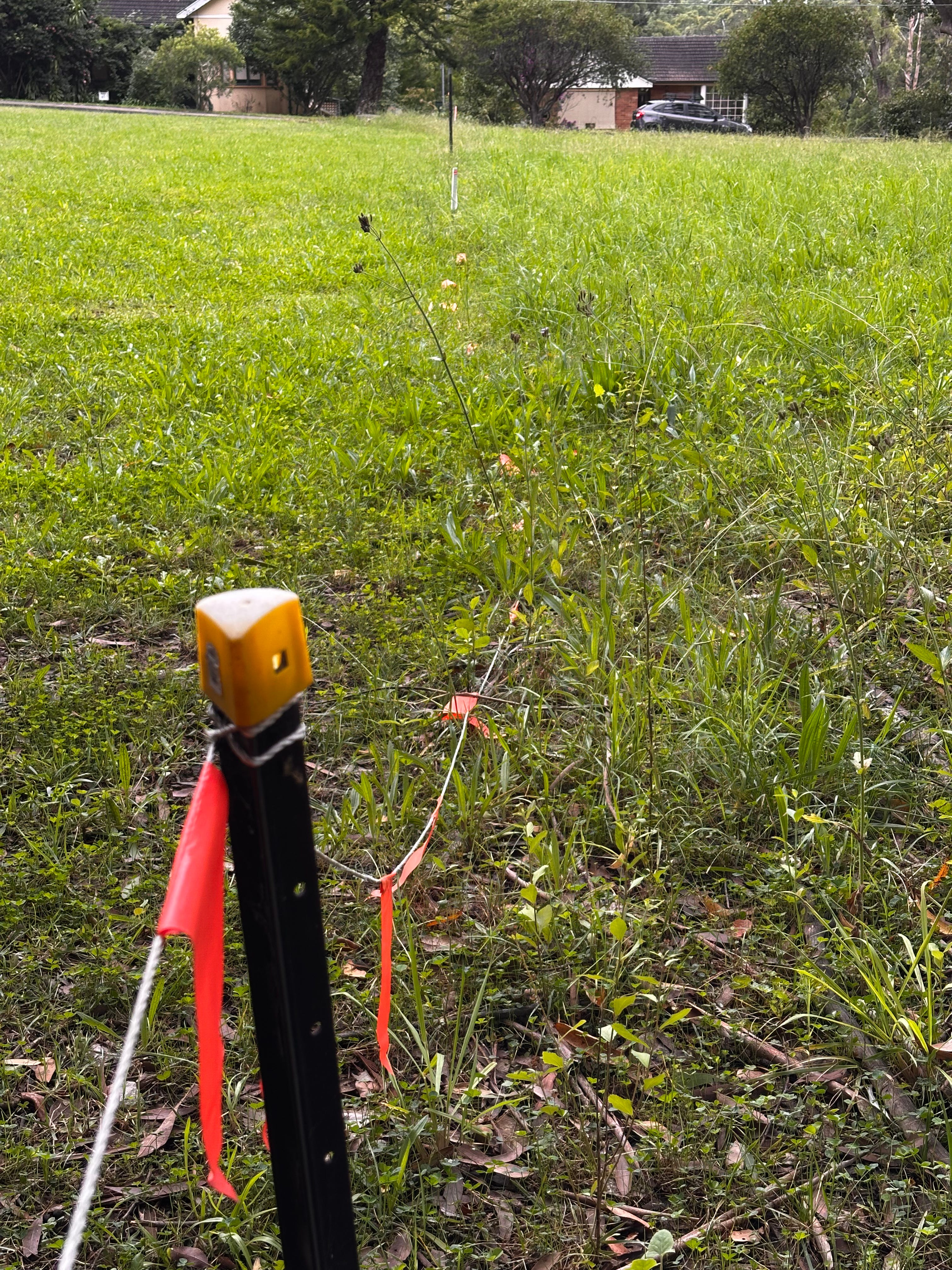
My weeds (right), their ‘tennis court’ lawn (left)
How about the trees?
A few weeks ago I had an arborist come to check the health of the big blackbutt at the rear of the block. He pronounced it generally healthy. It has some deadwood, high up, which could be removed, though as he remarked, most big gum trees do.
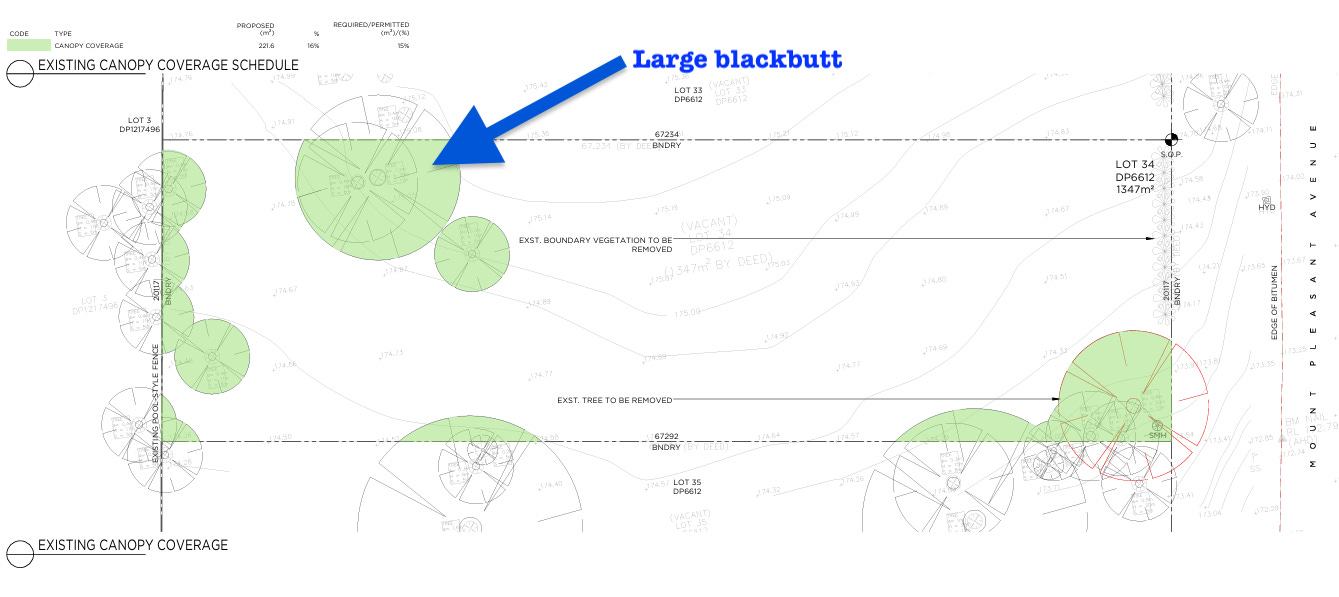
One smaller tree growing beneath the canopy of the big guy, with its crown already entangled in the large tree’s canopy, should probably be removed for its own good. But that would require another approval, and I’m all approval-ed out at the moment. Apart from the tree at the front for which removal has been granted, there are only three other small specimens which are not bothering anybody.
So no tree action is needed right now.
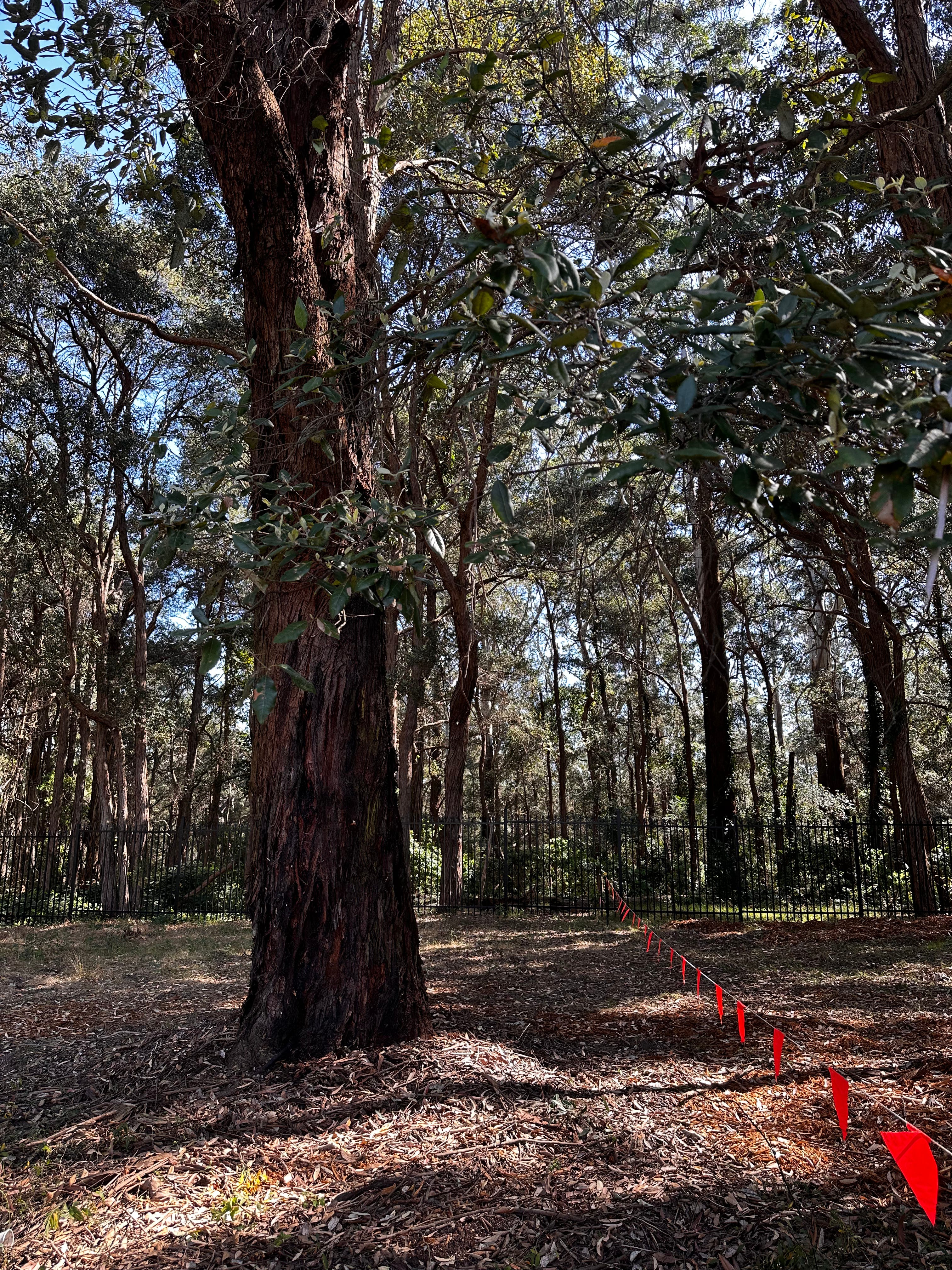
The blackbutt. About 32 metres high.
How about the weeds?
Of course, since they’re left to flourish, the weeds are going for it. Every few months I have to get a guy to come with his slasher and mower to keep them under control. Today I noticed that in the rear corner there are blackberry bushes! Good grief.
This invasive weed will have to be eradicated. The NSW government has a website called WeedWise from which I learn that “blackberry infests about 9 million hectares of land in Australia”. The plant “quickly infests large areas” and “forms dense thickets”, though it does have a few positives, such as edible fruit, supporting pollinators, providing shelter for bandicoots, and so on.
Nevertheless, blackberry is not in my landscaping plan.
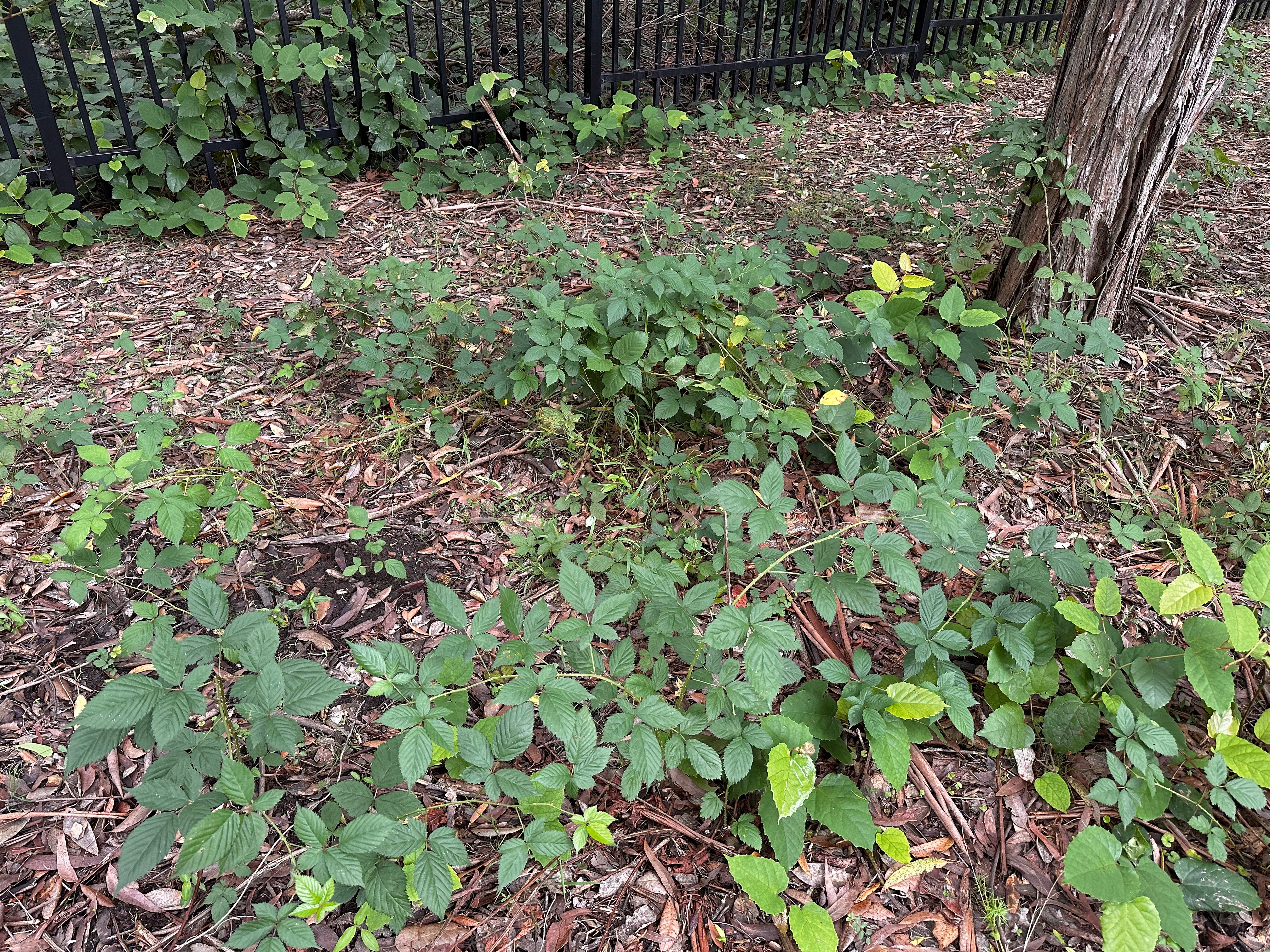
Blackberry! Eek!
According to WeedWise, physically pulling it out is often ineffective. Burning will not kill it. There are herbicides.
Goats will eat it. Did you know you can hire goats to eat your weeds? In NSW, one goat hire business is called Flocking Adorable:
Weeds or major overgrowth got your goat?
Looking for a kind, environmentally friendly solution to remove fire hazards that's cute, and far more fun than manual land clearing? Ewe have come to the right place.
An eco-friendly alternative to land clearing, hire our rescue goats to tackle brush, weeds, and fire hazards naturally, promoting property health and animal welfare. We assist NSW Rural Fire Service, local councils, schools, farms, businesses, and private homes to safely and organically alleviate bush fire risks and weed infestations.
They will consume and trample nearly all vegetation types including priority weeds found across NSW like Blackberry, Lantana, Willows, African Olive, Laurel, Privet, Box Elder, Ginger, all kinds of creepers, vines, grasses, reeds and the list goes on!
I think I’m getting sidetracked.
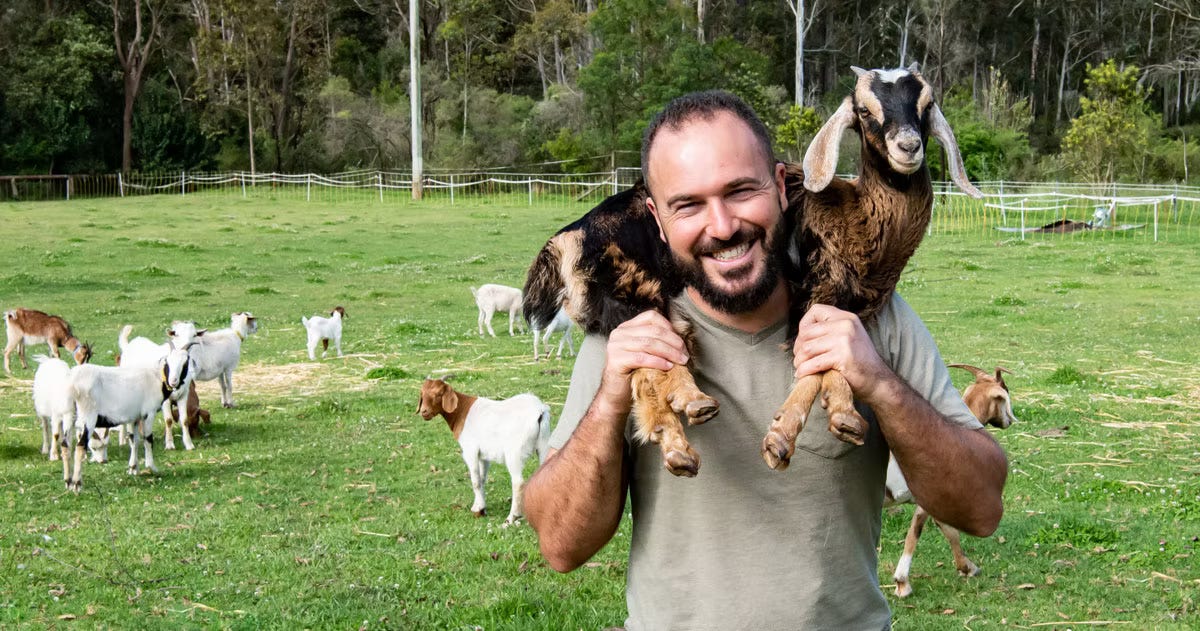
Flocking Adorable You can follow them on Instagram