
Let there be light
The magic element

This week the Sydney Morning Herald ran an article entitled “Why this is the No.1 test of a successful home.”
Obviously this click-bait worked with me. I want my new home to be ‘successful’. Of course I do. So what was this ‘test of success’? The magic element?
Light.
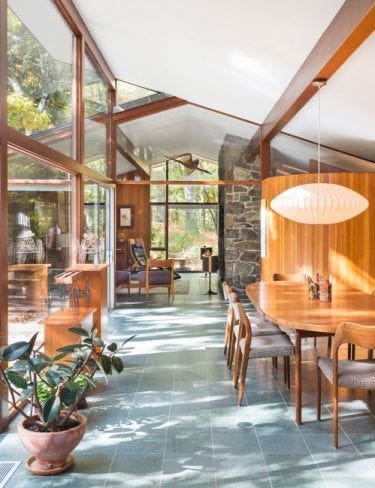
letting in the light. [Image from Pinterest]
What the architects are saying
The article points out that in Australia we have plenty of light, then argues that we should let it in to our houses.
A Melbourne-based architect is quoted:
“My most important test of a successful house is when you walk in and there is never a light on during the day because there is well-balanced natural light,” he says.
“Natural light levels are constantly varying,” he says. “It is quite imperceptible to the naked eye, but it’s very different to artificial light, which is constant throughout the day. There is an emotional attachment that comes with it. You may not be aware of it but the colour of it changes throughout the day.”
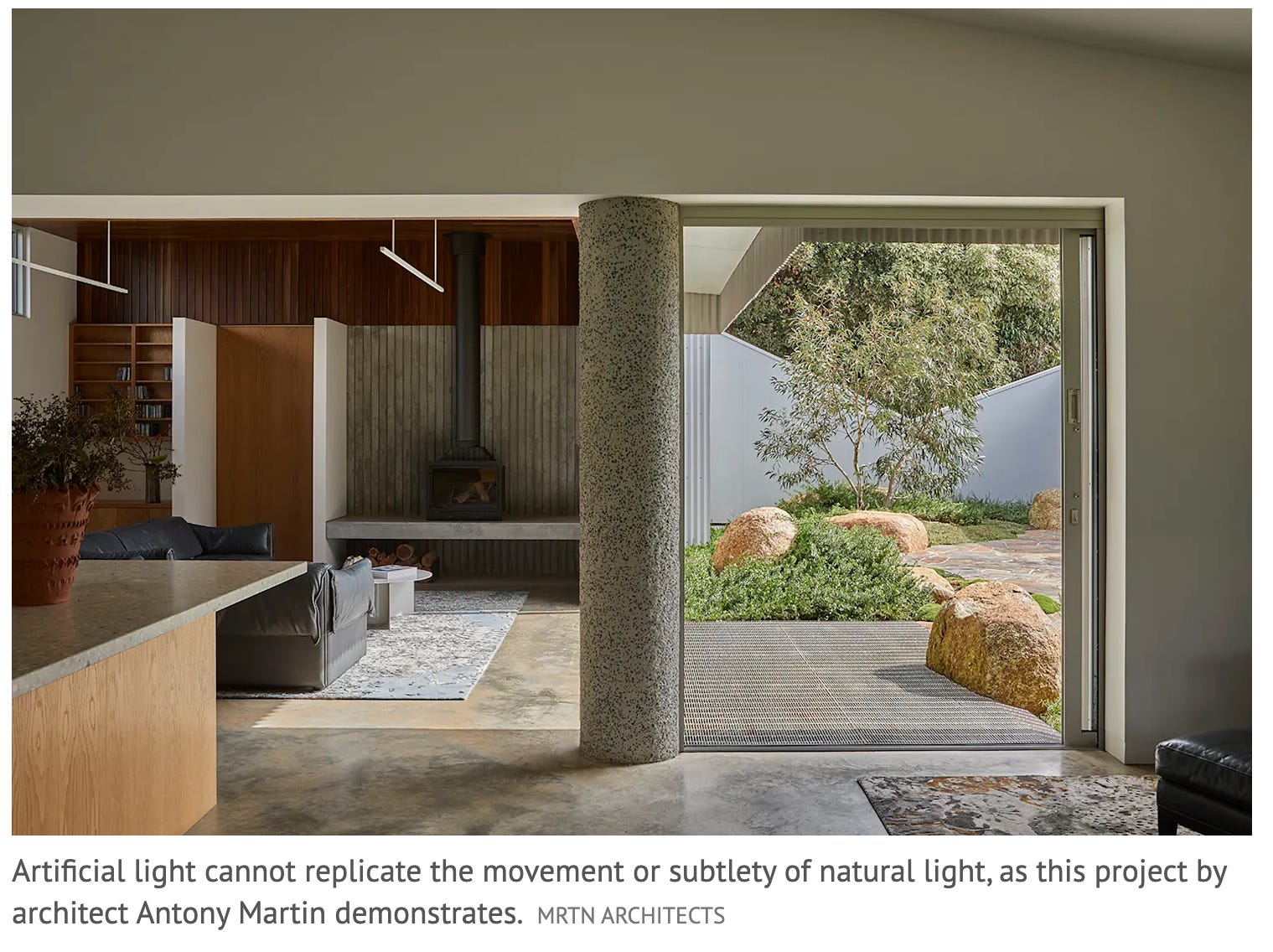
A Sydney architect opines that
getting the balance right relies on carefully considered modelling, taking in everything from overshadowing to seasonal movements of the sun. This informs the placement of windows and eaves at optimal levels.
“If you hit the angle low, you can draw the sun in during winter,” she says. “Then it will be higher during summer where you can use external protection as soon as the sun hits the glazing.”
Get it right and the results can turn night into day.
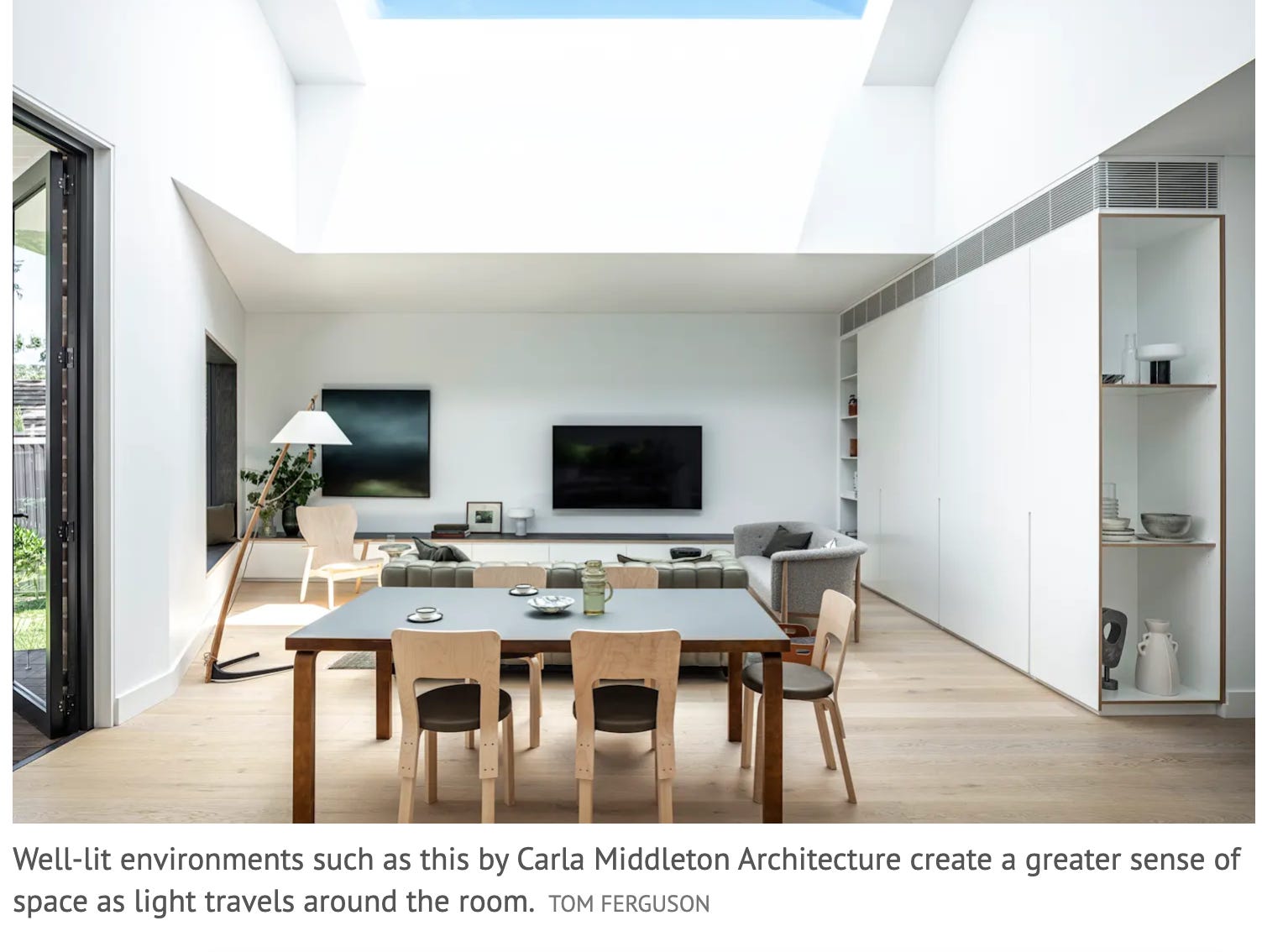
I’m convinced, up to a point. I’d like some parts of my house to be cosy and snug, atmospherically dark sometimes. Not everywhere indoors needs to be bathed in sunlight. But generally, yes, let there be light.
The sun in the sky
In Australia, northern light is the most highly prized, because it can be most easily managed year round with windows and eaves. Western sun (as I know from my forays into the theory of passive houses) is usually avoided to reduce over-heating in summer.
According to the article, with sunrise occurring around 7am on the east coast during winter, drawing light into interior spaces as early in the day as possible is a must to support the body’s circadian rhythm. Lots of health benefits are claimed.
My planned house is oriented to the north, with a central courtyard (a great device for trapping sunlight) and plenty of wide and high windows where they can do the most good, i.e. channel light into the living areas.
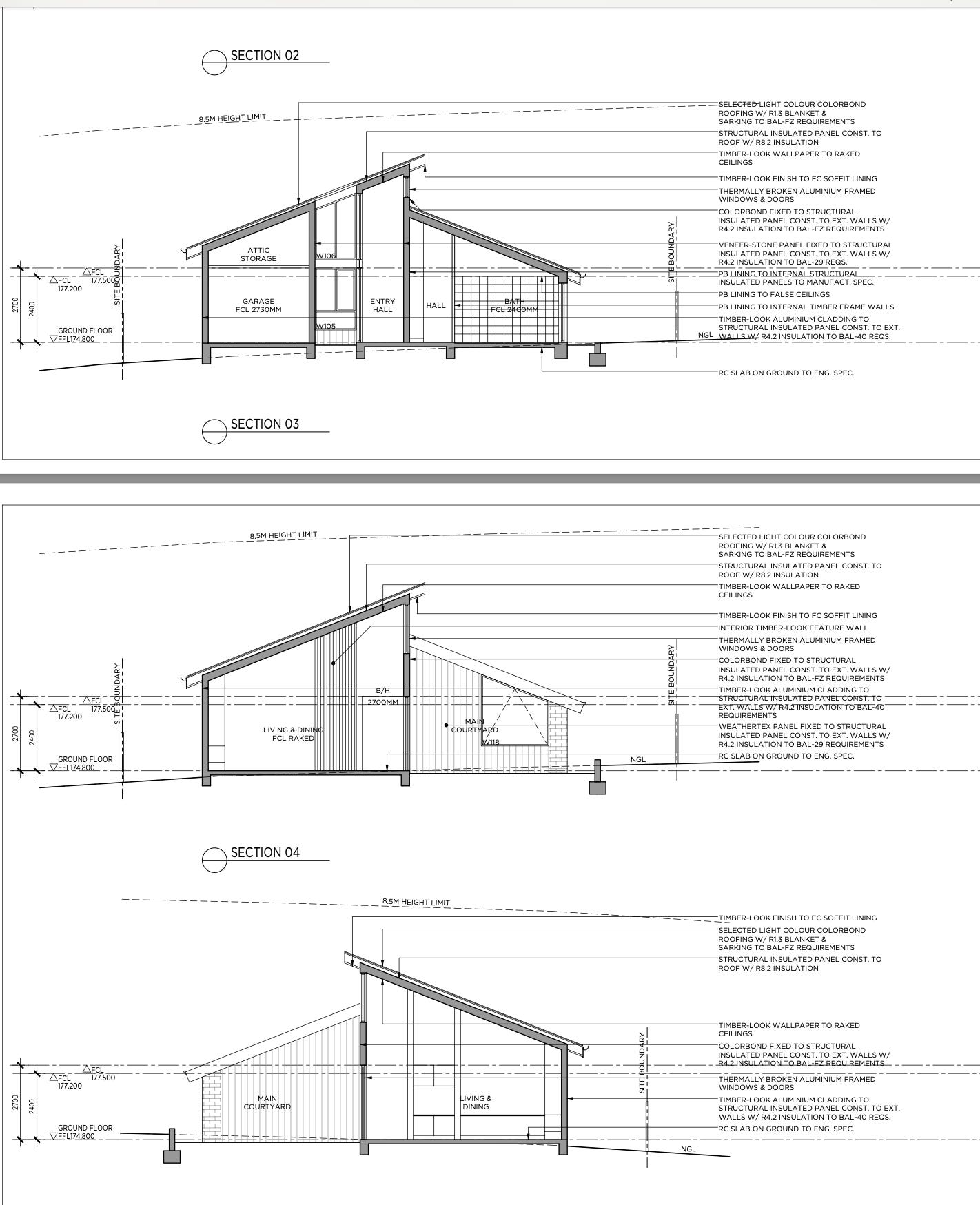
Skylights will draw light into the south side rooms—including the piece de resistance, a 1.5 metre circular skylight in the library.
Amongst all the discussions of construction and insulation, materials and décor, let’s not forget the element of light — ephemeral, cyclical and controlled by nature.
Beyond the windows
If you live in a house with fewer windows than you’d like, the article has some suggestions.
“One way to maximise the daylight in a room is to improve reflectivity … Paint ceilings and walls in pale shades or white, preferably in a matte finish, which reflects light in all directions, rather than glossy, which creates glare. Hang mirrors to bounce light around the room.”
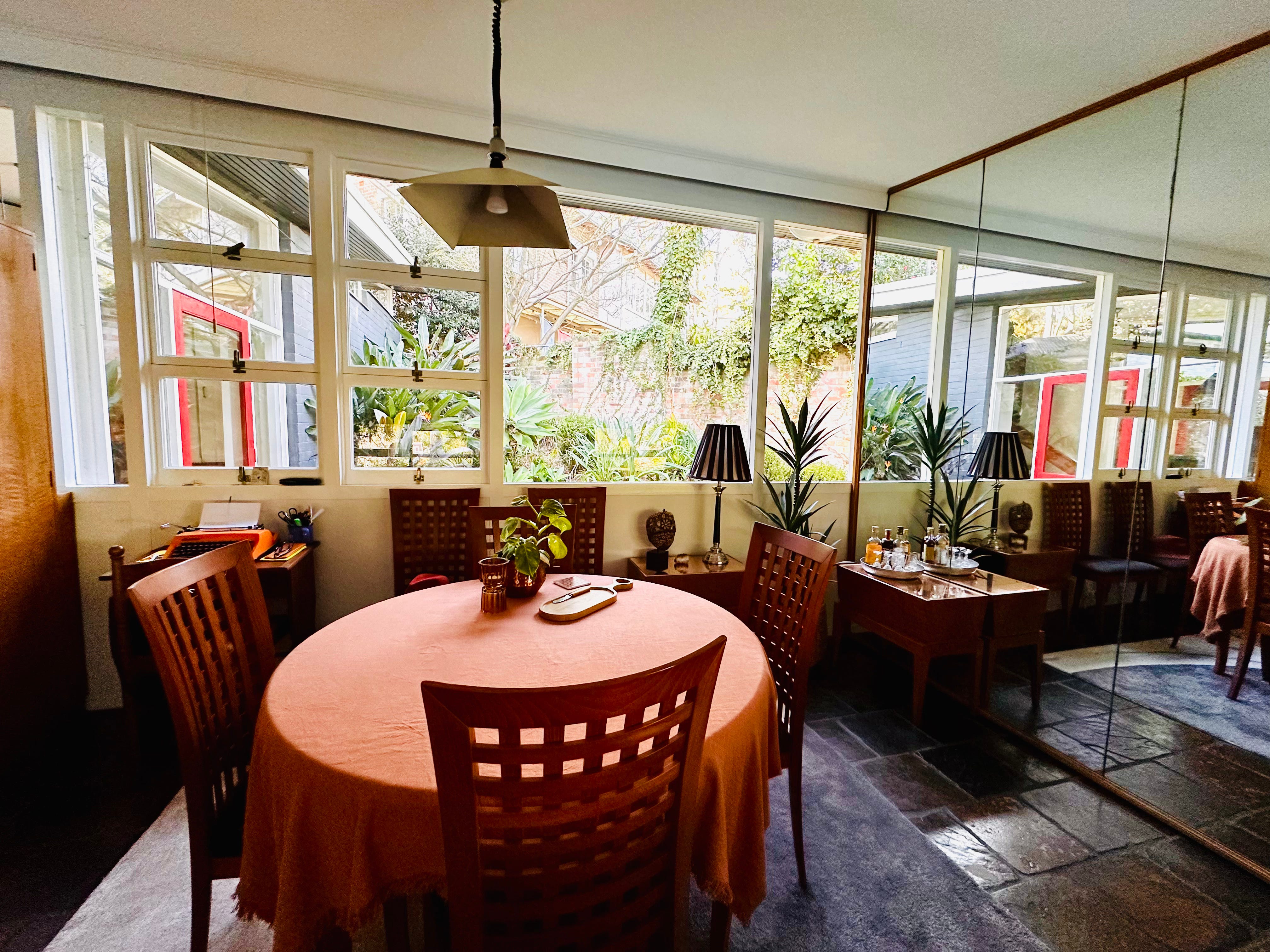
My current dining room. 1955, architect Dr Henry Epstein. Lots of windows, and a big mirror to bounce the light around.
Mid-century modern and windows
Big, sometimes spectacular, windows are a feature of mid-century modern design. This rented house I’m currently occupying was built in 1955, and it has windows everywhere, floor to ceiling in the living room, all the way up to the raked roofline in all the rooms, even the laundry.
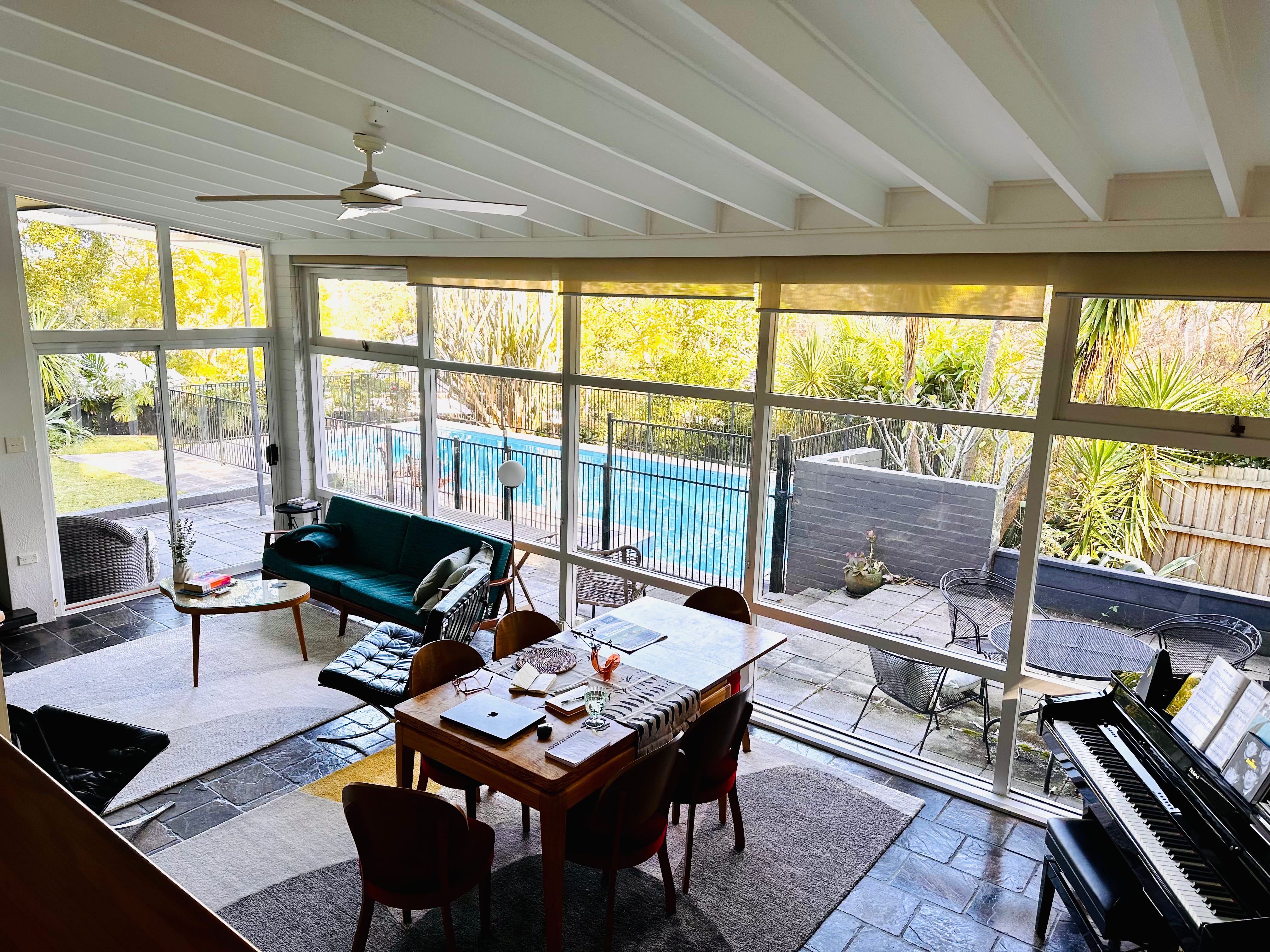
My current living room. 1955, architect Dr Henry Epstein. South facing, mid-winter.
I love these expanses of windows, and the plan is that they’ll be part of my new house.
Skylights, too.
And high clerestory windows to the north.
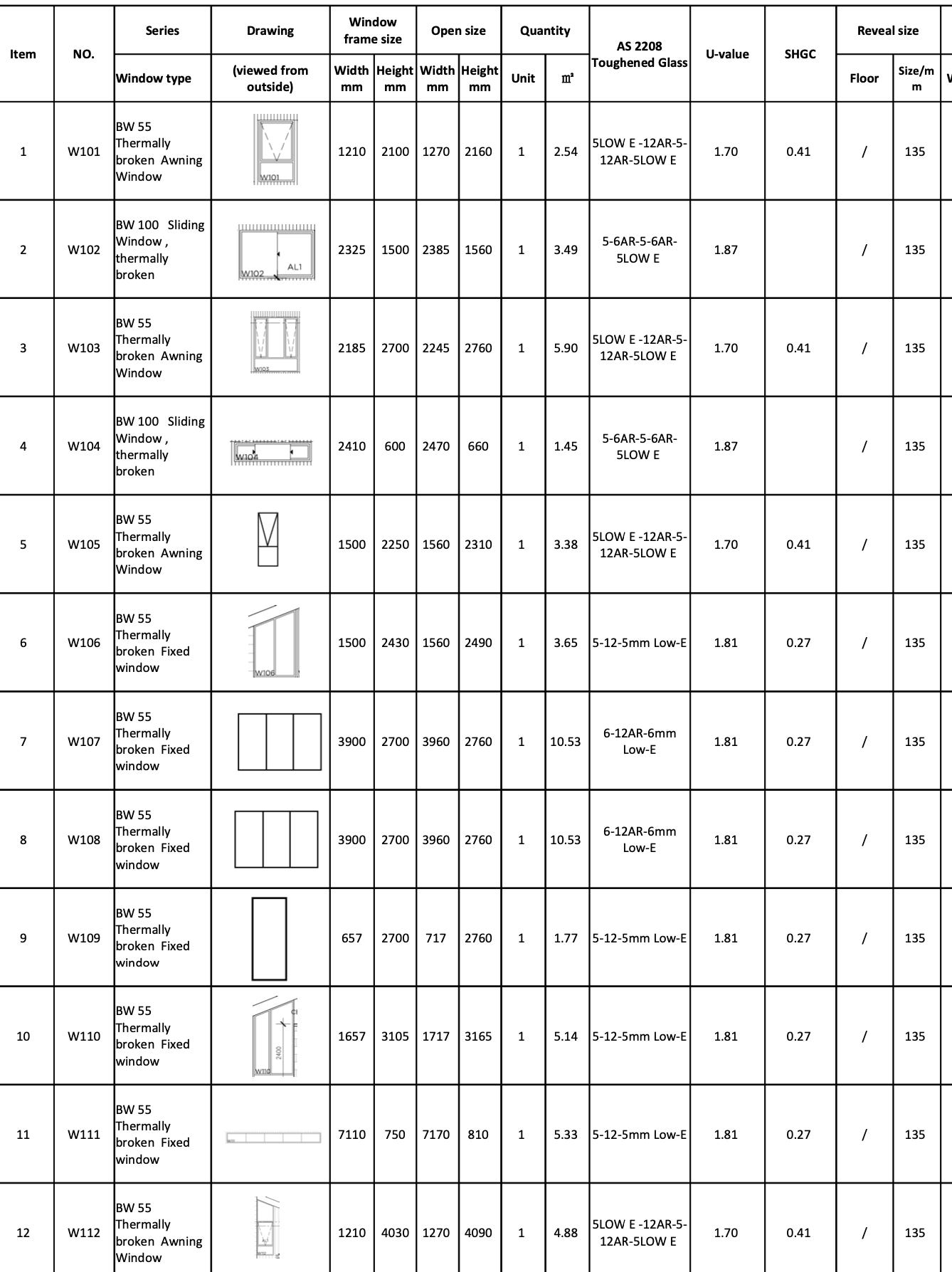
A sample of a window quote for the new house. There are 30 window and door items on the full list.
All double-glazed, ‘thermally-broken’ and sealed for energy efficiency. Yes, the windows are not only vital to the design of the house, but also one of the big budget points (by which I mean ‘expensive’).
But worth it. After all, I want ‘a successful home’.